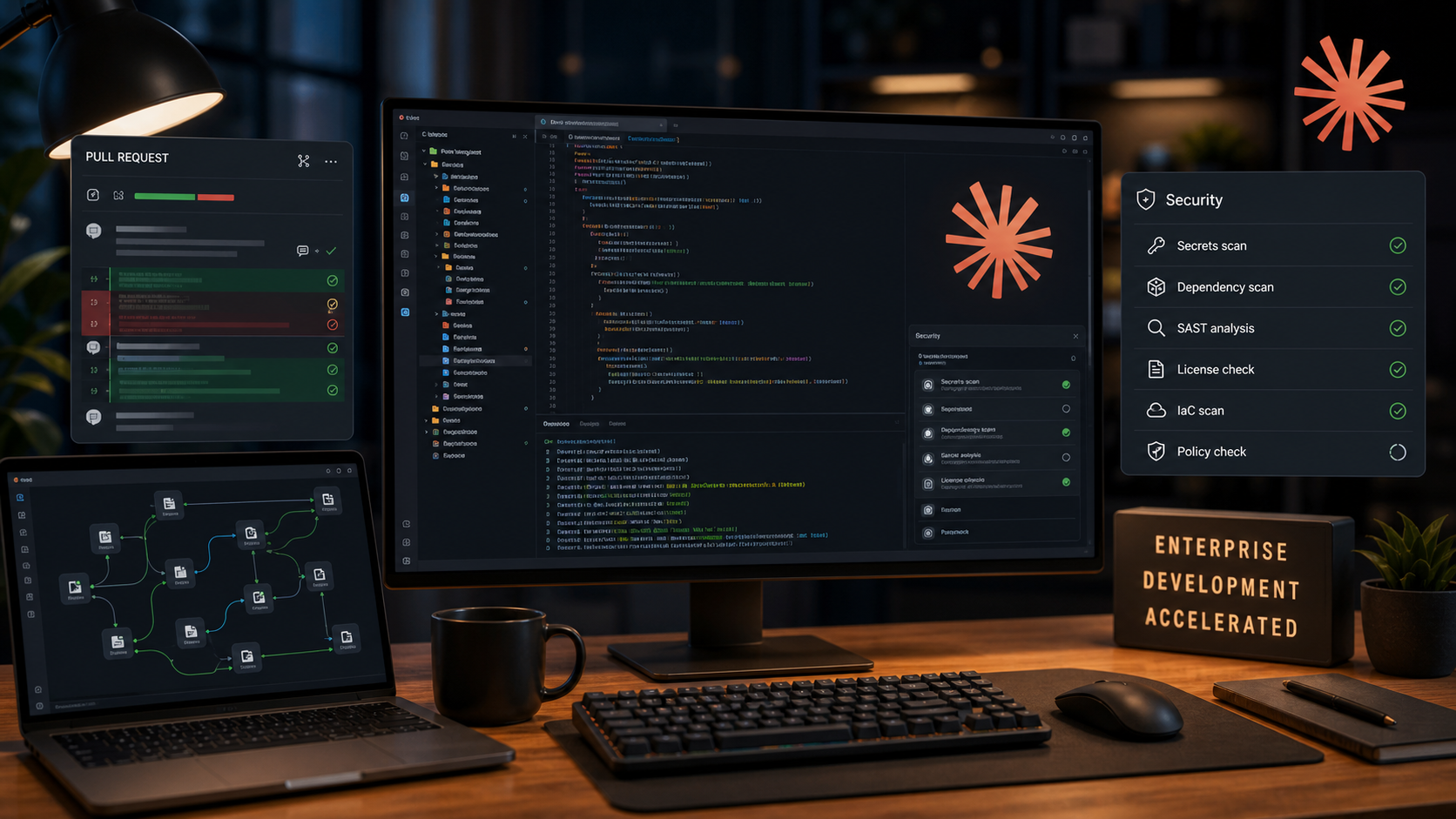
Anthropic announced its acquisition of Vercept, a startup that built Vy, a cloud computer-use agent able to operate a remote Mac. The acquisition follows Anthropic’s broader investment in Claude Code and agent systems, while Vercept said its existing product would be shut down after the transition.
TechStaged reviewed the company announcement and relevant reporting, then built this article as original analysis for readers who need to understand the operational impact rather than repeat a launch checklist.
WHY IT MATTERS
Many businesses still depend on software that has no modern API. Computer-use agents can bridge that gap by operating the same interfaces employees use, but the approach adds a large safety surface: screens contain secrets, clicks can be irreversible, and interfaces change without notice.
The broader shift is that technology decisions now affect budgets, permissions, customer expectations, and team habits at the same time. A useful evaluation therefore considers the full workflow, not only the headline feature.
WHAT TEAMS SHOULD CHECK
Before adopting the update, convert the news into a small implementation brief with an owner, a test case, and a rollback plan.
- Use isolated virtual machines with no access to personal files, browser sessions, or production credentials during early tests.
- Require confirmation for purchases, account changes, data exports, code pushes, and other irreversible actions.
- Capture screenshots, tool calls, and action logs so an operator can reconstruct the agent’s path.
- Test the workflow against UI changes, unexpected pop-ups, prompt injection, and partial task failure.
- Choose API integration where one exists and reserve computer use for systems that genuinely require it.
RISKS AND TRADEOFFS
Computer-use automation can fail silently when the page changes or an attacker places malicious instructions in visible content. The convenience is real, but it requires stronger sandboxing and action confirmation than a text-only assistant.
A narrow pilot is usually the fastest way to expose those tradeoffs. Start with a workflow where the data, approval path, and success metric are clear, then expand only after the team can explain both the gains and the failure modes.
BOTTOM LINE
The Vercept deal reinforces that the next generation of coding and business agents will operate computers, not just generate text. Treat visual automation as privileged software.