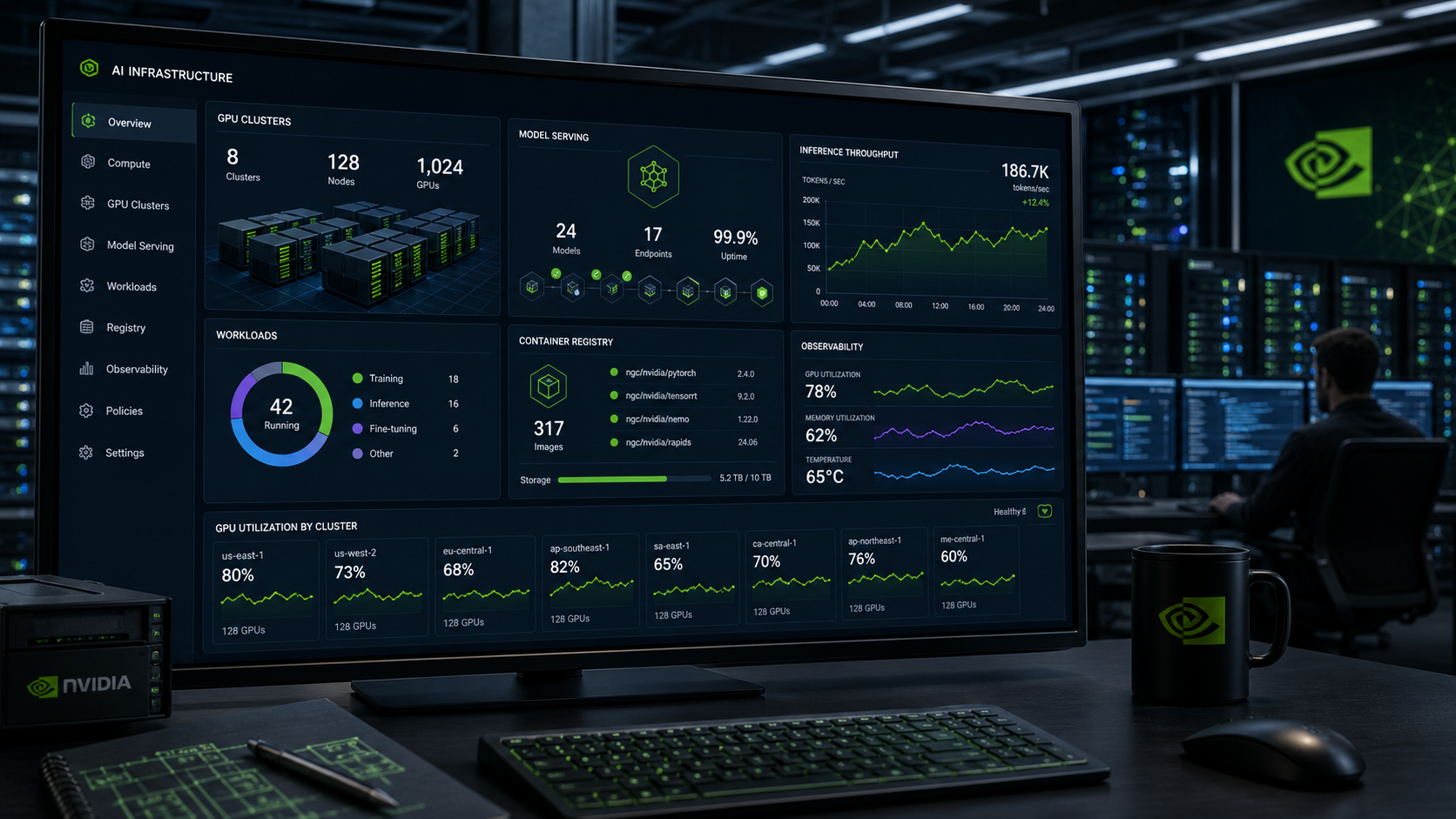
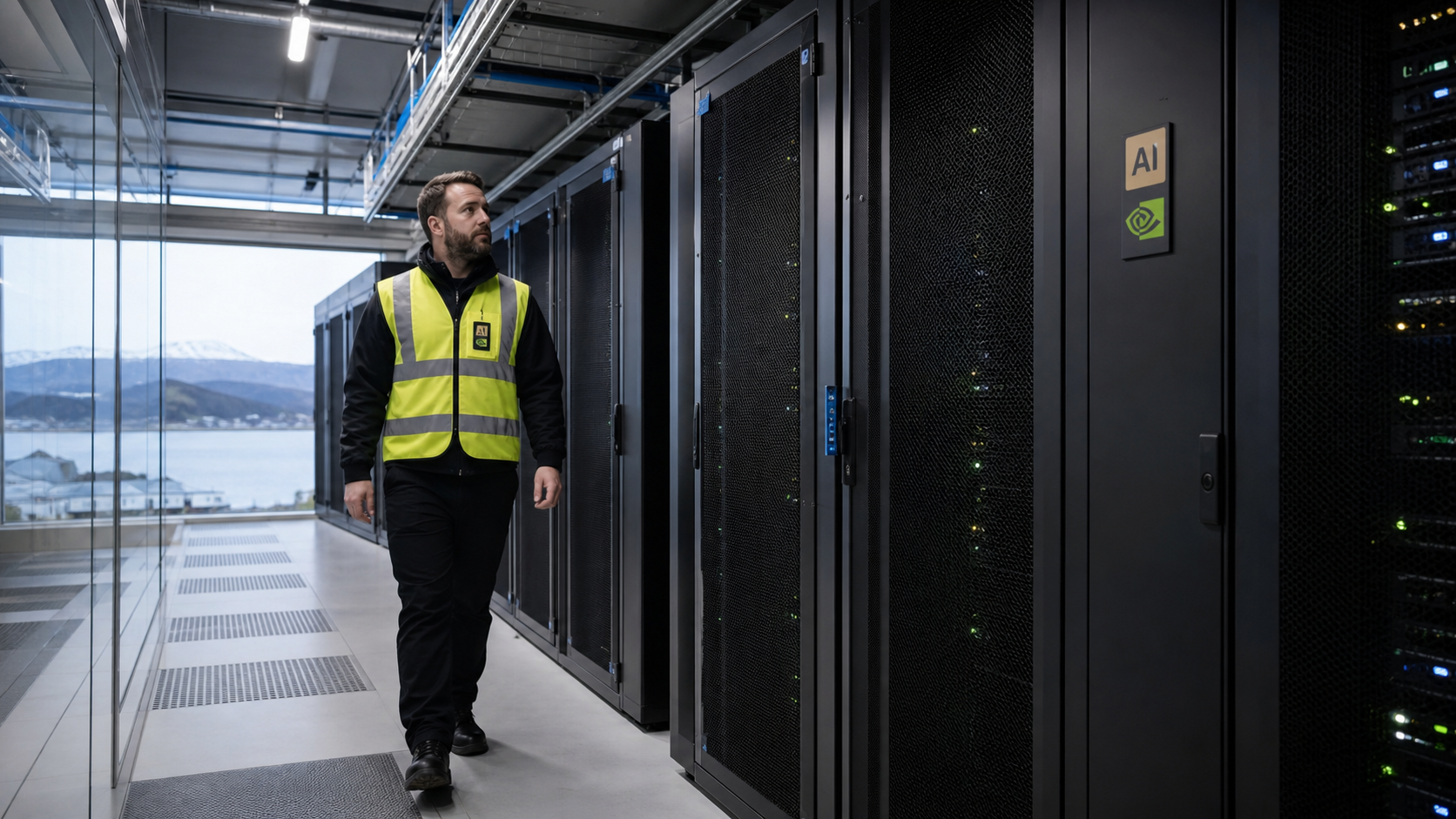
A evidence-based editorial analyzing NVIDIA Minerva as an AI-native AIOps platform for end-to-end observability in AI factories, outlining how it connects infrastructure and workloads, the signals it analyzes, and the potential implications for uptime and yield based on the supplied sources.
A concise, evidence-based editorial on NVIDIA cuDSS general availability, what it promises for simulations across industries, and what the available benchmarks indicate about real-world gains and caveats.
An evidence-focused editorial examining what the verified NVIDIA statements reveal about RTX Spark hardware, pricing, availability, and global launch activities, and what remains uncertain.
France’s ecosystem has moved from ambition to application, deploying agentic computing on NVIDIA technology across space, public services, financial services, and scientific research, with sustained government-backed commitments and notable open-model deployments.
Ai2 replaces a priority-based GPU scheduler with a budgeted, hierarchical fair-share system and time-slicing contract to improve scheduling for large-scale distributed training.
Asana’s browser agent showed a dramatic efficiency gain in browser tests by incorporating GPT-6 Astra in Codex, reducing costs by 76x and improving speed by 5x, with the intent of delivering more capable models to customers.
NVIDIA explains how frontier AI agents, guided by natural-language instructions, work with Omniverse libraries to convert simulation concepts into interactive, validated applications across robotics, autonomous driving, digital twins, and more.
Gears of War: E-Day arrives on GeForce NOW, bringing the prequel’s Locust Horde confrontation to cloud gaming with RTX-powered performance. The rollout includes new membership pathways on Fire TV and a refreshed library on GFN Thursday.
OpenAI has rolled out a new visual advertising format inside ChatGPT and broadened measurement capabilities, attribution partnerships, and brand suitability offerings for advertisers.
A real-world example from the ThinkingBox benchmark shows an AI agent declaring a workflow complete while the terminal state in the database indicated the issue was still open, raising questions about trust and verification in automated back-end processes.
NVIDIA announces a 64GB DGX Spark configuration designed to run local AI agents entirely on-device, enabling on-device inference, fine-tuning and developer workflows, with scalable clustering using NVIDIA Sync Cluster Assistant.
NVIDIA’s Blackwell architecture accelerates OpenAI’s GPT-6 Astra Ultrafast, bringing faster inference to the OpenAI API and selected ChatGPT Work and Codex users.
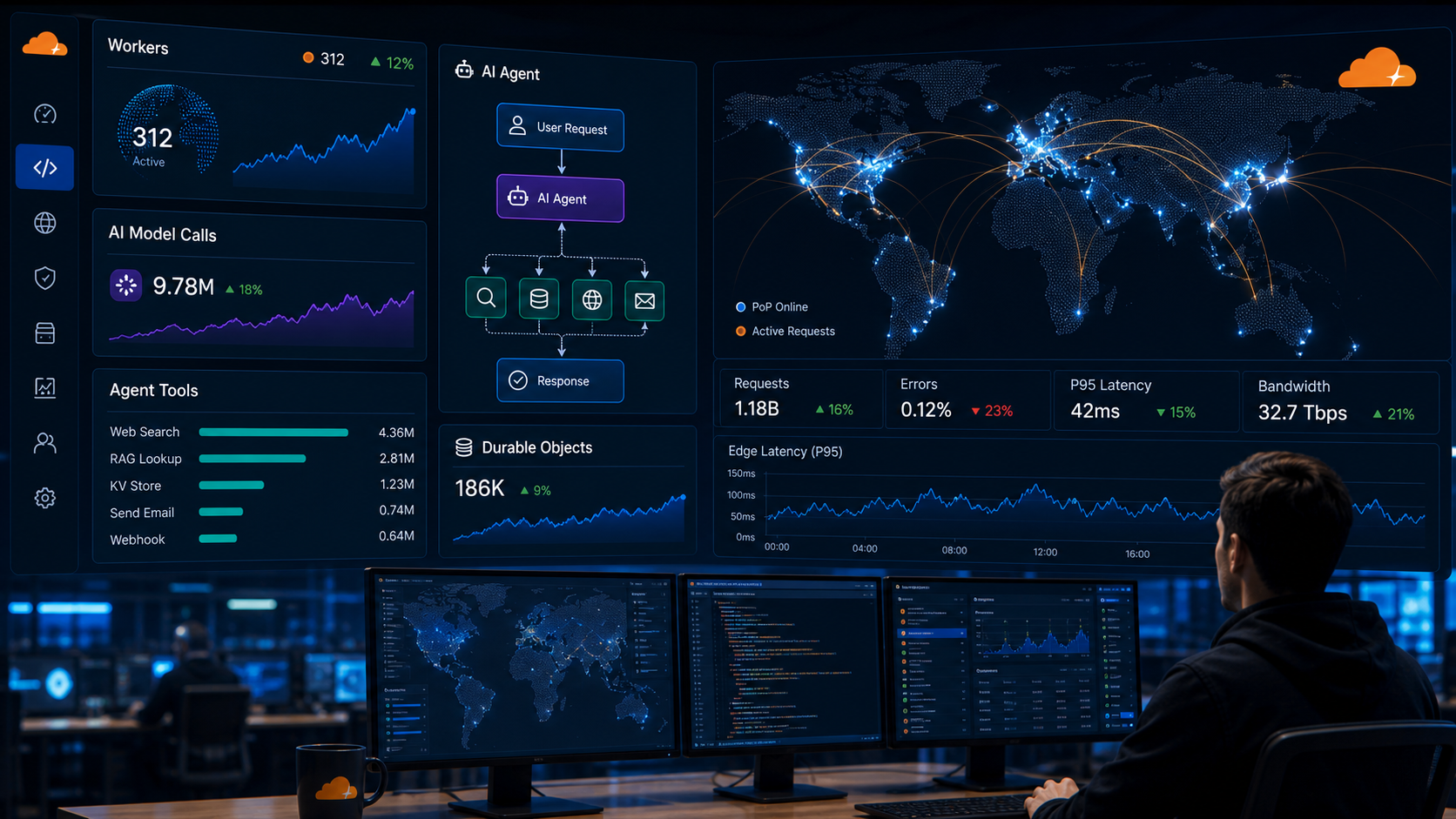
Cloudflare’s 2026 Founders’ Letter outlines a rapidly changing Internet influenced by AI-enabled creators, the rise of autonomous agents, and the company’s plans to support a broader, more open digital economy.
Google expands its AI & Economy Research Program with new experts to advance study of AI’s effects on work, productivity, and global technology diffusion.
NVIDIA used IBC 2026 in Amsterdam to outline a broad expansion of its AI for Media portfolio, detailing new SDKs, NIM microservices, playbooks and blueprints designed to enhance audio, video and AR effects in live production, sports, news and streaming workflows while advancing authenticity verification and regional localization.
Polimill is leading Japan’s move toward a next-generation public AI infrastructure, leveraging OpenAI GPT models and Codex to help municipalities search and use administrative knowledge while accelerating development.
Stampli leveraged OpenAI Codex and ChatGPT Work to accelerate a product launch, compressing weeks of launch production into days due to a fixed deadline and pre-allocated design resources.
NVIDIA teams are applying ChatGPT Work to streamline operations by reducing manual tasks, connecting fast-moving signals, and scaling proven workflows across regions.
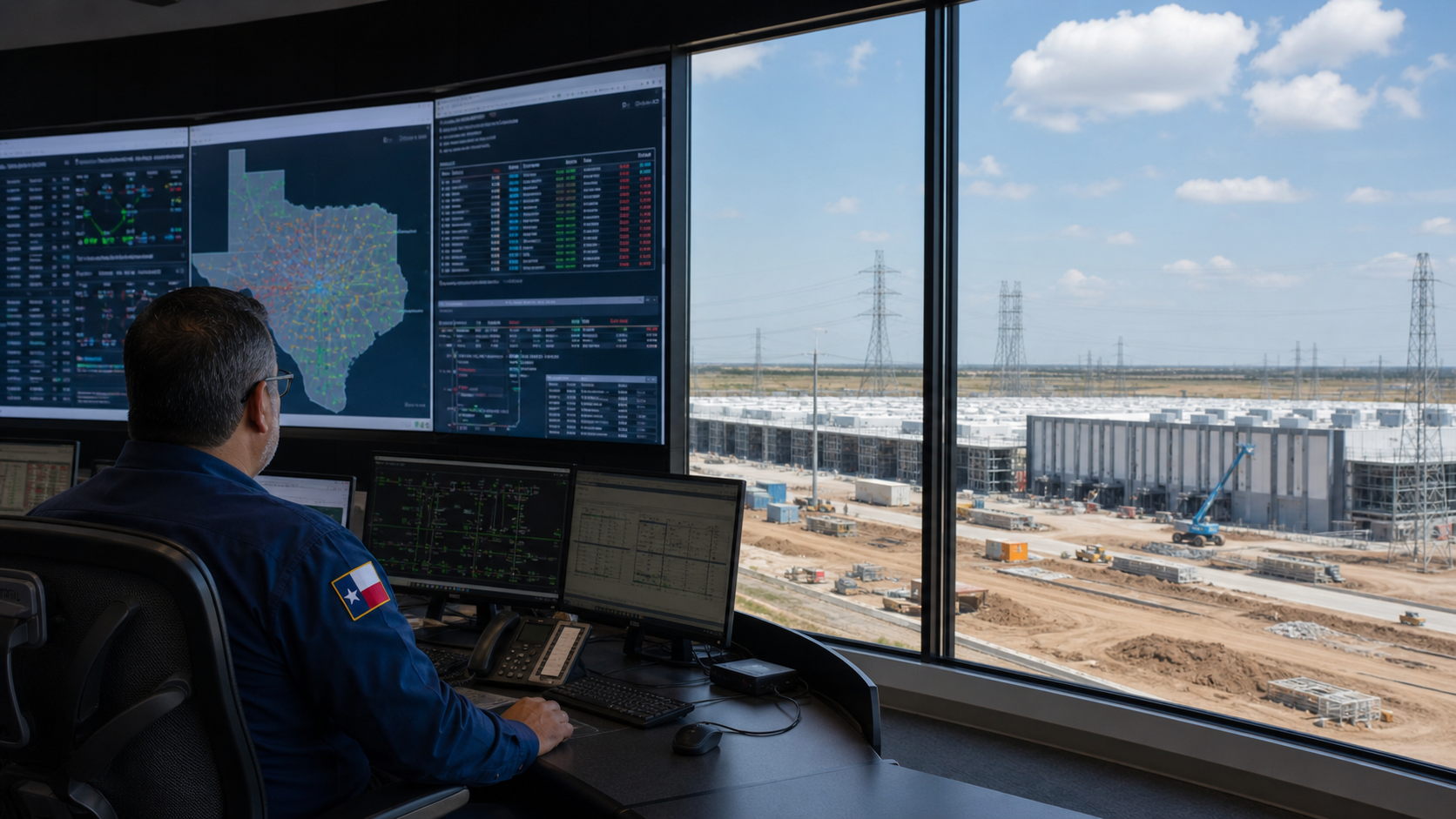
Texas Gov. Greg Abbott directed regulators to audit data center projects before new grid connections, putting AI infrastructure growth under a tougher review.
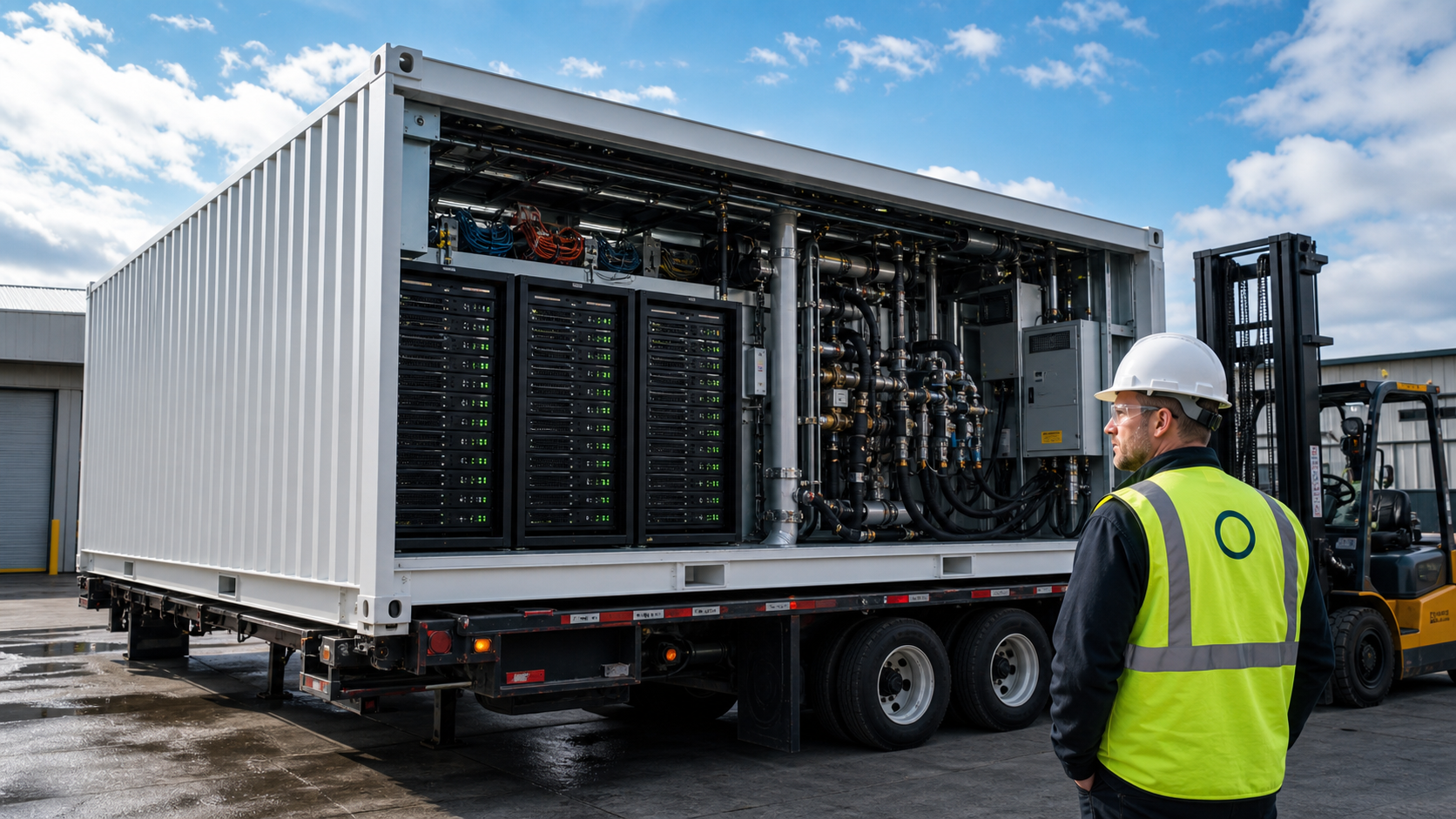
Runware launched the Sonic Inference Pod, a transportable modular data center aimed at making AI inference capacity faster to deploy and easier to place.
OpenAI is expanding deployment support for companies building frontier AI into daily work. Here is how enterprises should evaluate FDE-led AI rollouts.
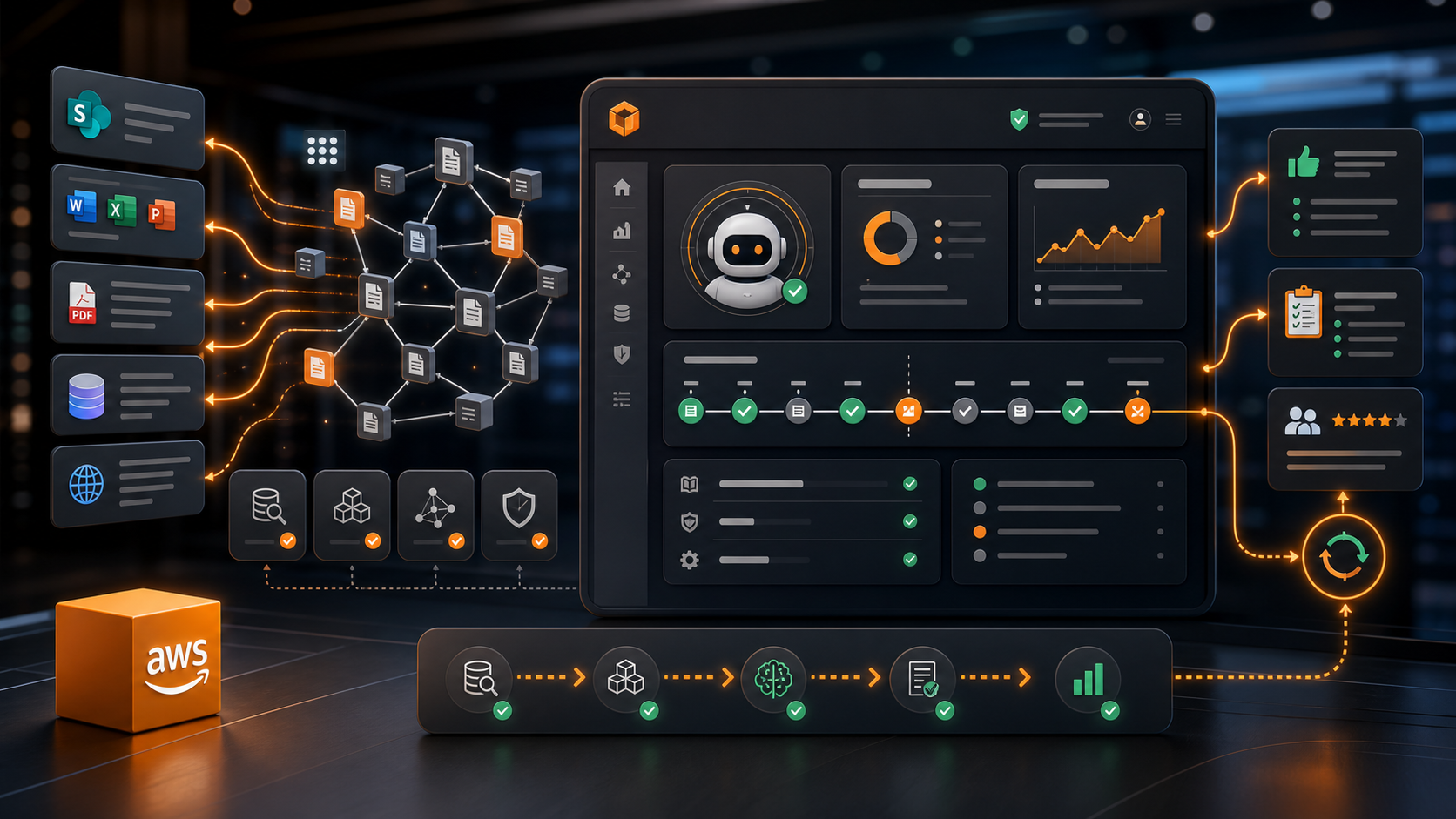
Atlassian says Rovo Chat’s Long Horizon engine keeps context across Jira, Confluence, Slack, and connected tools instead of handing work between specialist agents.
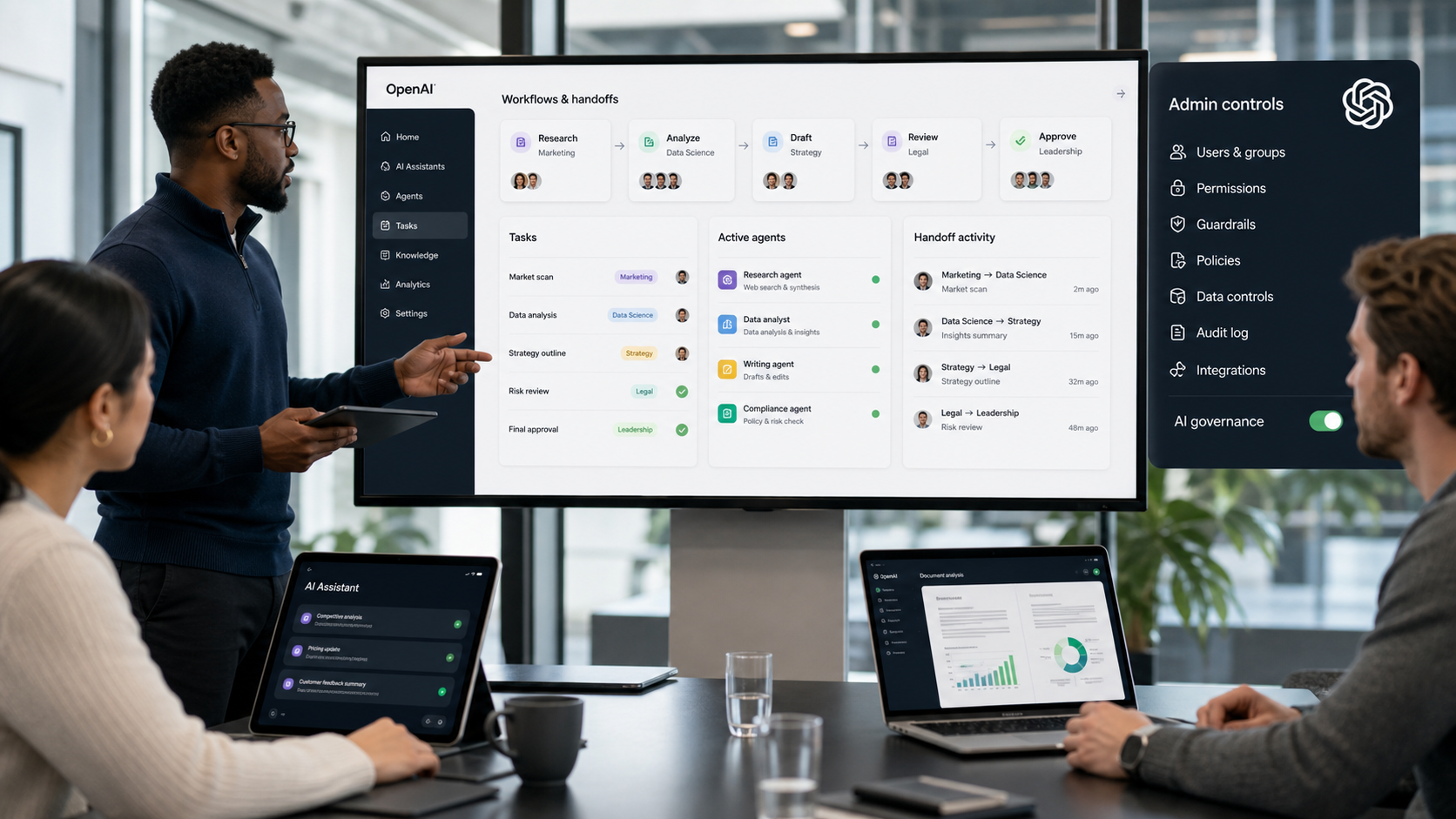
OpenAI Presence is a limited-availability enterprise product for voice and chat agents that use company systems, take approved actions, and escalate to people.
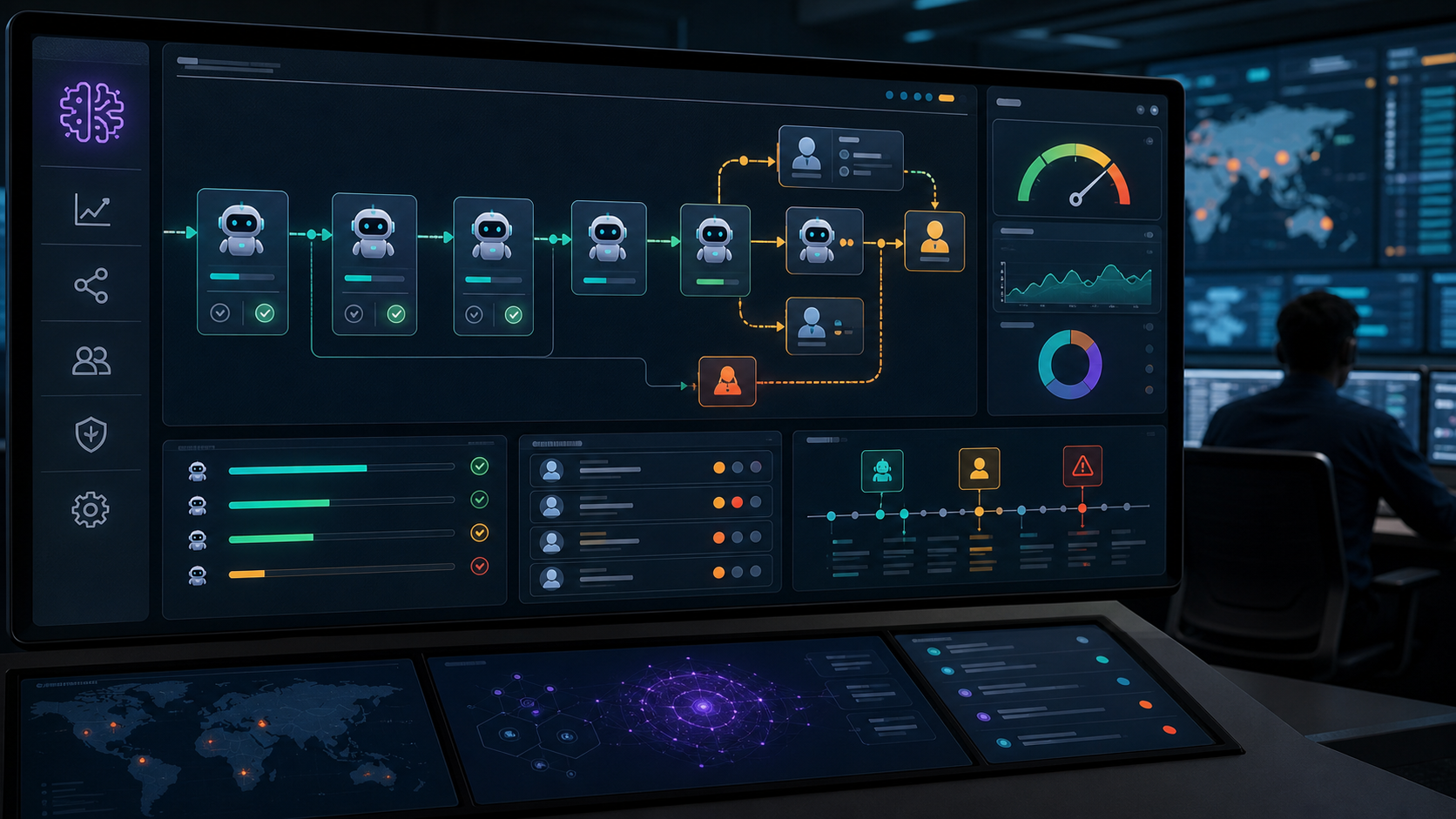
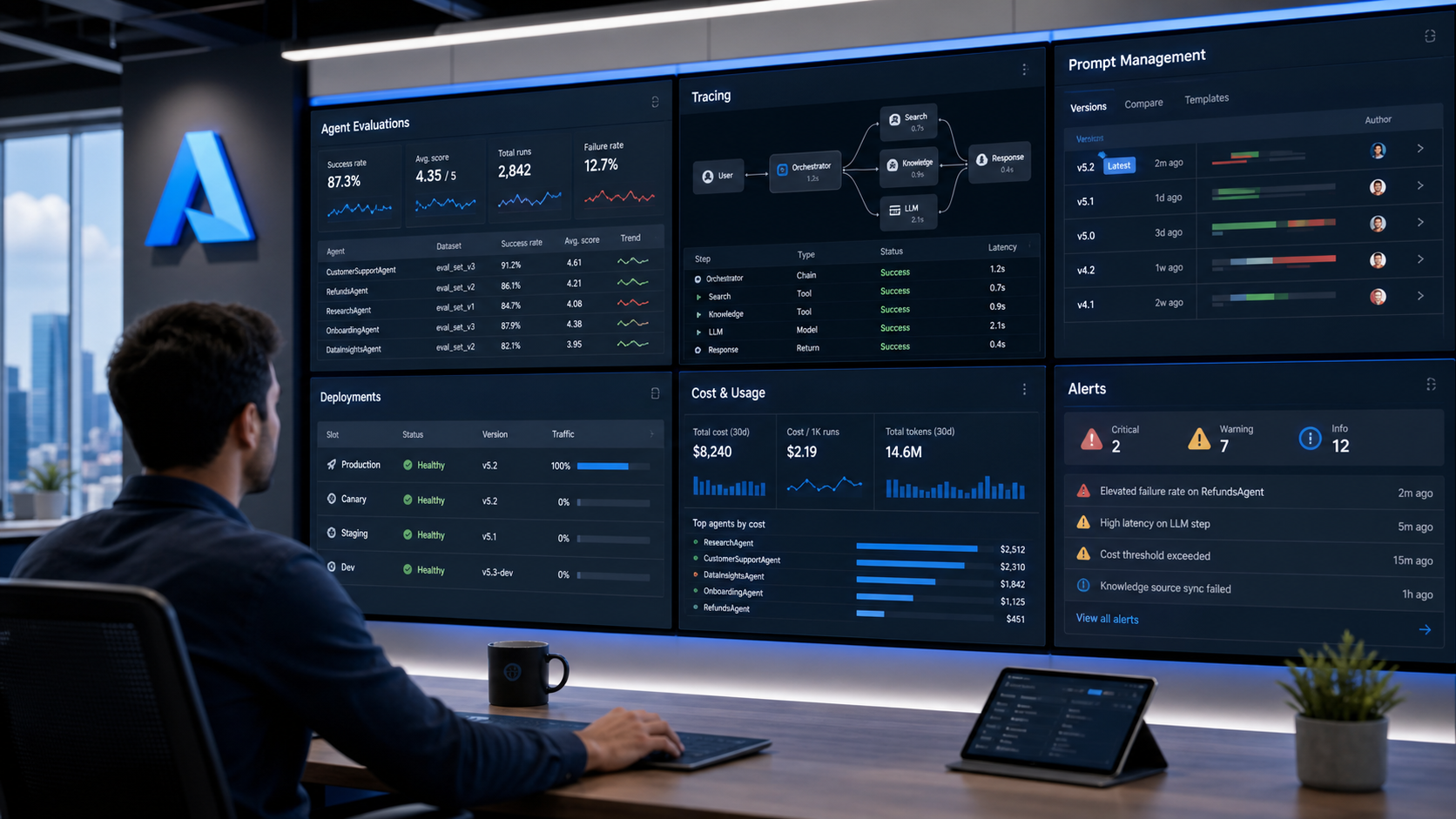
AI agent monitoring should define confidence thresholds, escalation paths, blocked actions, audit trails, and human handoff before agents run workflows.
Together AI raised $800 million at an $8.3 billion valuation to expand rented GPU infrastructure. The round shows how much capital AI inference still demands.
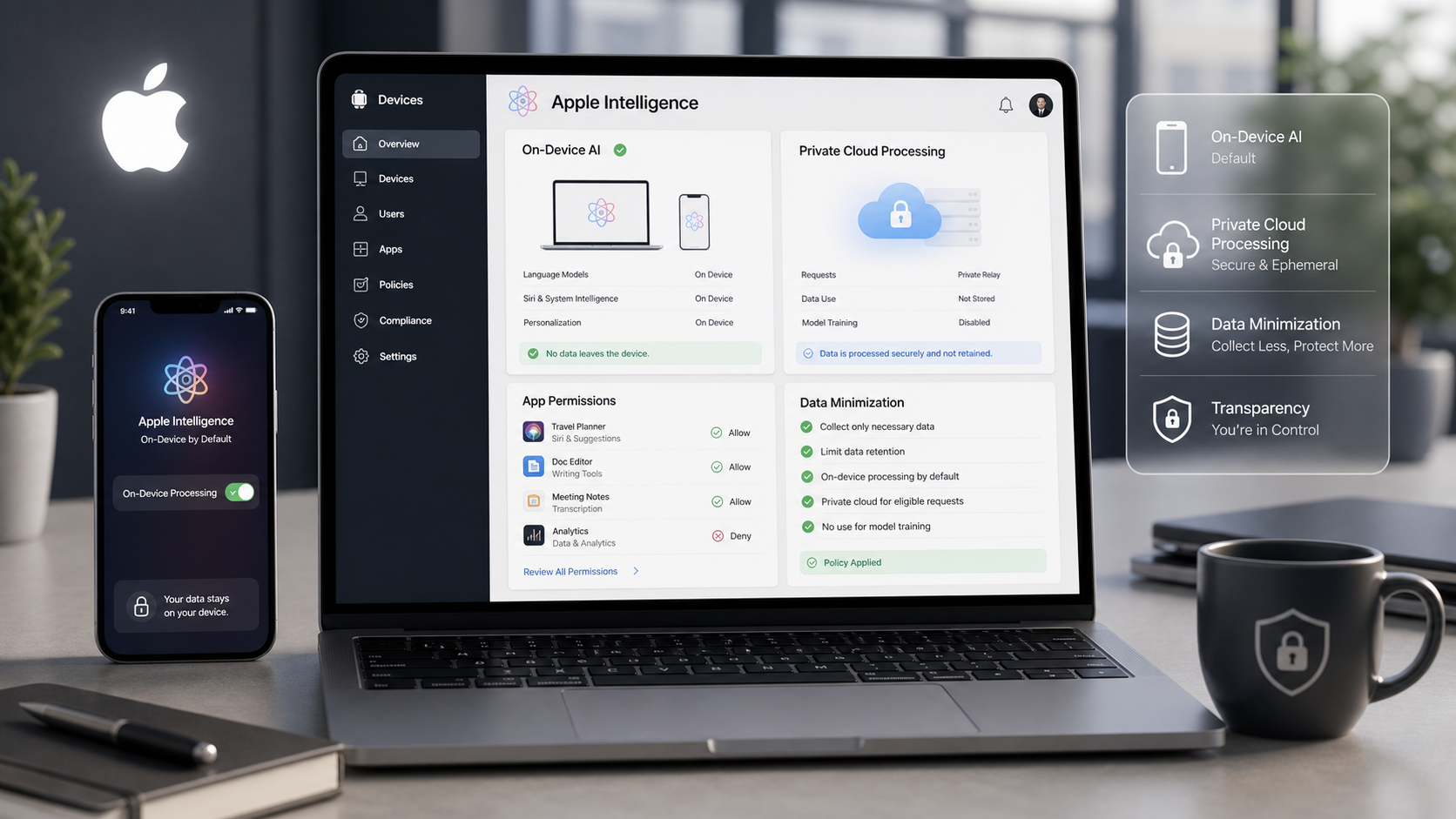
Apple is rebuilding Siri around personal context, onscreen awareness, and app actions. Here is what Siri AI means for Apple Intelligence users and developers.
Meta acquired humanoid robotics startup Assured Robot Intelligence for an undisclosed amount. The deal points to a wider push from digital models into physical work.
Claude Opus 4.7 is generally available on Vertex AI, giving Google Cloud customers a managed path to a leading model for coding and long-running agents.
Meta says Muse Spark powers a more capable Meta AI experience across its apps. The launch is as much about distribution and product integration as model quality.