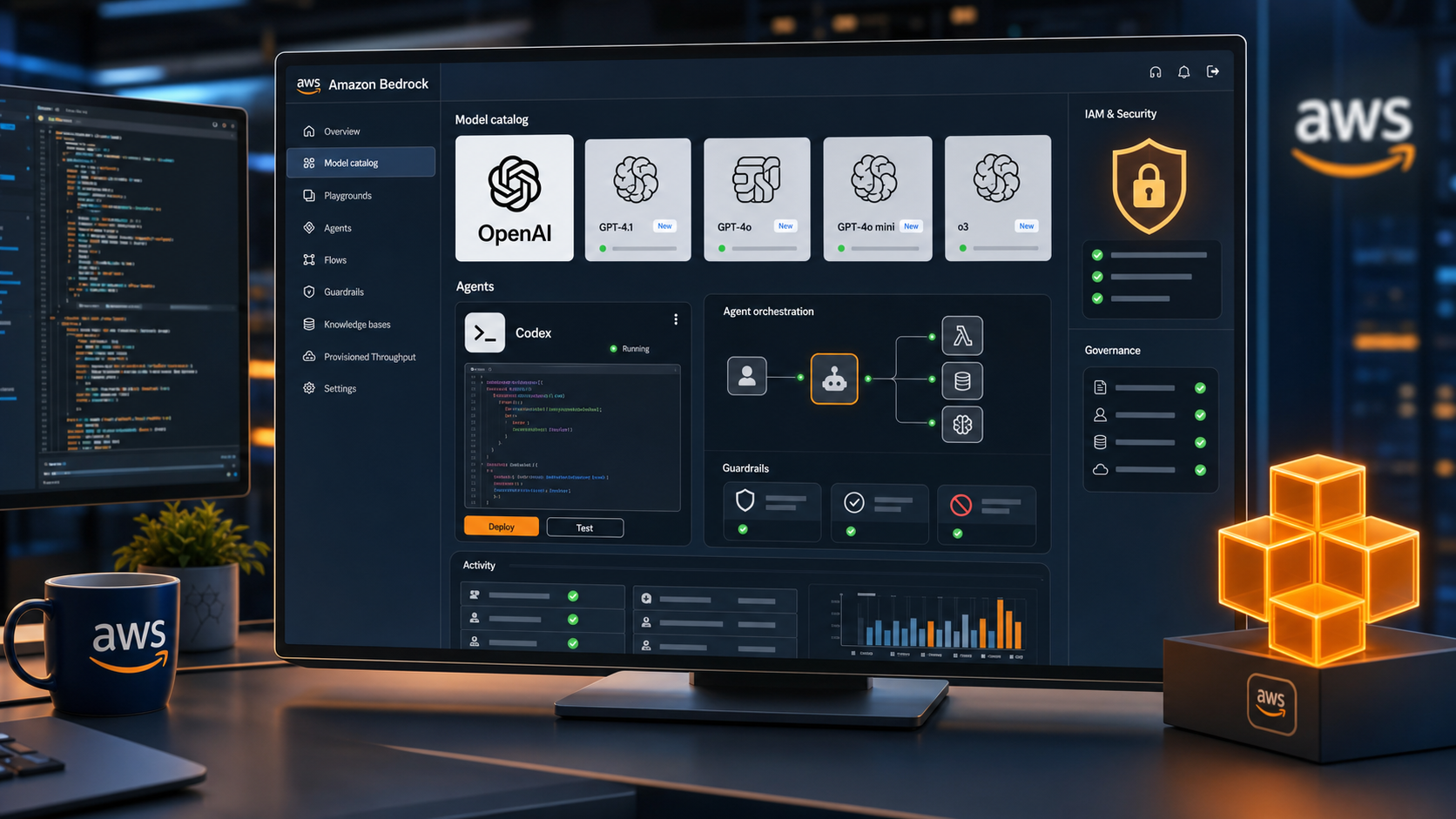
Stripe announced that it would provide the financial infrastructure for an AWS WAF capability that returns a machine-readable HTTP 402 response when an AI agent requests protected content. The response can include price, payment methods, and license terms, with Stripe handling settlement for content owners.
TechStaged reviewed the company announcement and relevant reporting, then built this article as original analysis for readers who need to understand the operational impact rather than repeat a launch checklist.
WHY IT MATTERS
AI agents consume articles, feeds, databases, and APIs at a scale that can create cost without producing revenue for the source. A standard payment response could turn that traffic into a legitimate commercial channel while giving publishers a more precise alternative to blocking every crawler.
The broader shift is that technology decisions now affect budgets, permissions, customer expectations, and team habits at the same time. A useful evaluation therefore considers the full workflow, not only the headline feature.
WHAT TEAMS SHOULD CHECK
Before adopting the update, convert the news into a small implementation brief with an owner, a test case, and a rollback plan.
- Classify which resources are public, licensed, rate-limited, or unavailable to automated agents.
- Publish machine-readable price, usage, attribution, and license terms next to human-readable policies.
- Require agents to identify the customer, purpose, and scope of a request without exposing unnecessary personal data.
- Track repeated requests, refunds, chargebacks, and abuse so payment does not become a new attack surface.
- Provide a useful free or preview response when payment is not appropriate for the user’s task.
RISKS AND TRADEOFFS
A paywall for agents could make the open web less accessible and introduce new privacy, billing, and impersonation problems. Publishers should combine payment with clear licensing and reasonable access policies rather than treating every bot as a buyer.
A narrow pilot is usually the fastest way to expose those tradeoffs. Start with a workflow where the data, approval path, and success metric are clear, then expand only after the team can explain both the gains and the failure modes.
BOTTOM LINE
AWS and Stripe are proposing an economic layer for machine traffic. Publishers should watch the standard closely while designing a balanced approach to AI access and revenue.