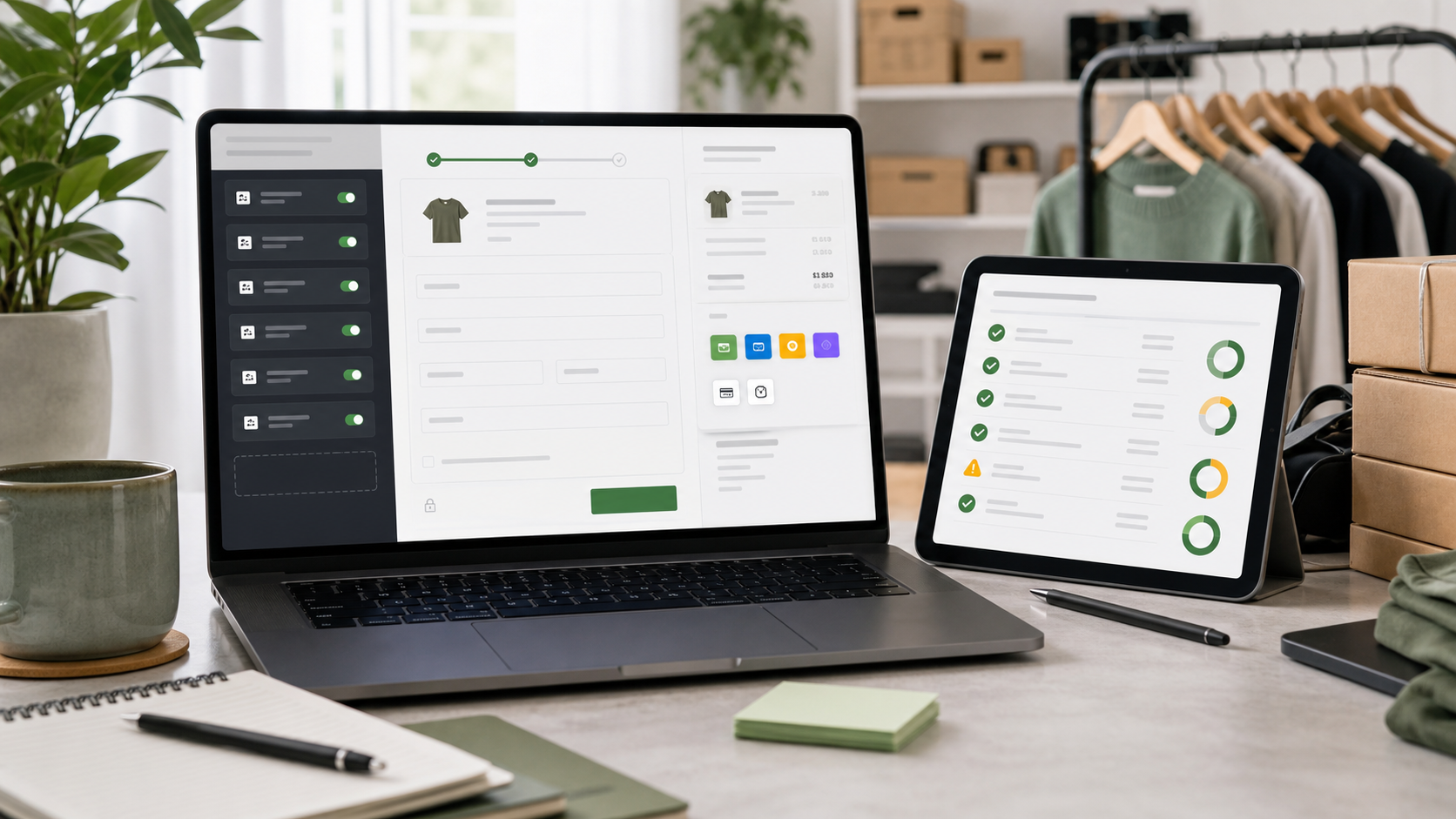
A returns portal can reduce support tickets and make customers feel more in control. It also shifts more decisions into rules: eligibility windows, exchange options, label generation, restocking fees, and refund timing.
The portal should integrate with order data, inventory, warehouse workflows, and customer support so the team sees one return status.
WHY IT MATTERS
Better returns automation can improve customer satisfaction and reduce repetitive support work. It can also expose product defects and sizing problems if return reasons are captured consistently.
The financial impact depends on whether the team controls label costs, refund timing, and return fraud.
IMPLEMENTATION CHECKLIST
Define operational rules before turning returns into a self-service flow.
- Set return windows, product exclusions, condition rules, and exchange options.
- Connect order lookup, label generation, inventory, refund, and support systems.
- Capture return reasons in a structured way for merchandising review.
- Create exception queues for high-value orders and suspicious patterns.
- Notify support and warehouse teams when return status changes.
RISKS AND TRADEOFFS
The main risk is making returns easier without understanding abuse patterns or margin impact.
The tradeoff is customer experience. Stricter rules reduce loss, but confusing rules increase support volume and frustration.
BOTTOM LINE
Returns portals should automate the routine path and make exceptions visible. Customer convenience and operational control need to be designed together.