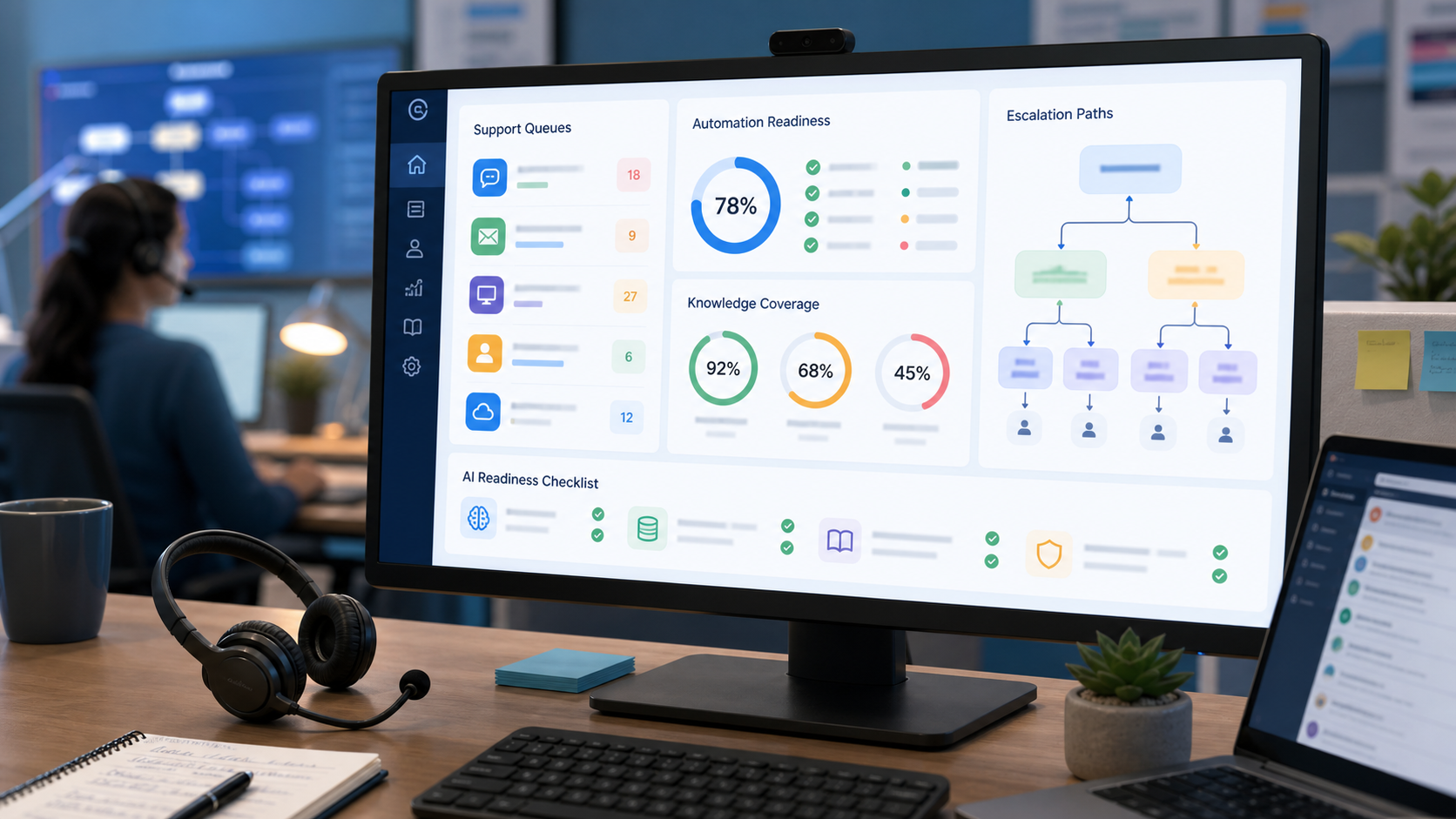
Help desk platforms are adding AI features for triage, suggested replies, summarization, and self-service. The tools are useful only if the support operation already has coherent categories, queues, macros, and knowledge content.
A readiness checklist helps teams avoid automating bad habits. If ticket tags are inconsistent or macros contradict policy, AI will inherit those problems.
WHY IT MATTERS
Good preparation can reduce response time and improve agent consistency. It can also reveal process gaps that were hidden by manual workarounds.
The best early wins are internal: summaries, routing suggestions, and agent-assist drafts. Full customer-facing automation should wait until the source content is reliable.
SELECTION CHECKLIST
Prepare the support operation before enabling customer-facing AI features.
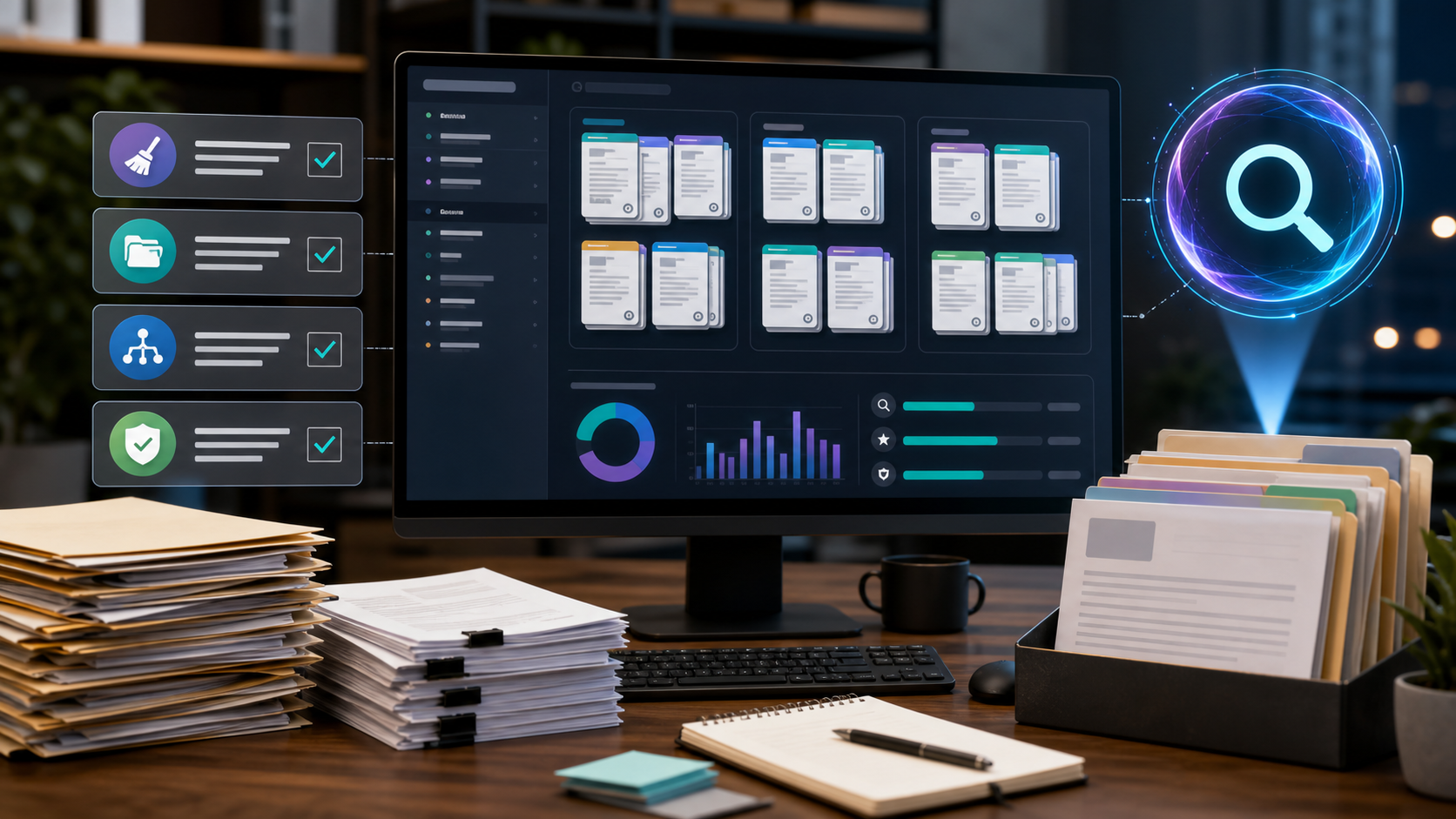
- Clean ticket tags, topics, priority rules, and queue ownership.
- Retire outdated macros and rewrite policy-sensitive replies.
- Audit the top help-center articles by ticket volume.
- Define handoff rules for billing, legal, security, refunds, and angry customers.
- Measure AI suggestions by edit rate, acceptance rate, and customer satisfaction.
RISKS AND TRADEOFFS
The main risk is launching AI on top of messy operations. That can create inconsistent answers at a higher speed.
The tradeoff is sequencing. Internal agent assistance is safer than direct customer automation while the team improves knowledge and routing quality.
BOTTOM LINE
Help desk AI works best after operational cleanup. Fix queues, macros, and knowledge first, then automate the parts that are already repeatable.