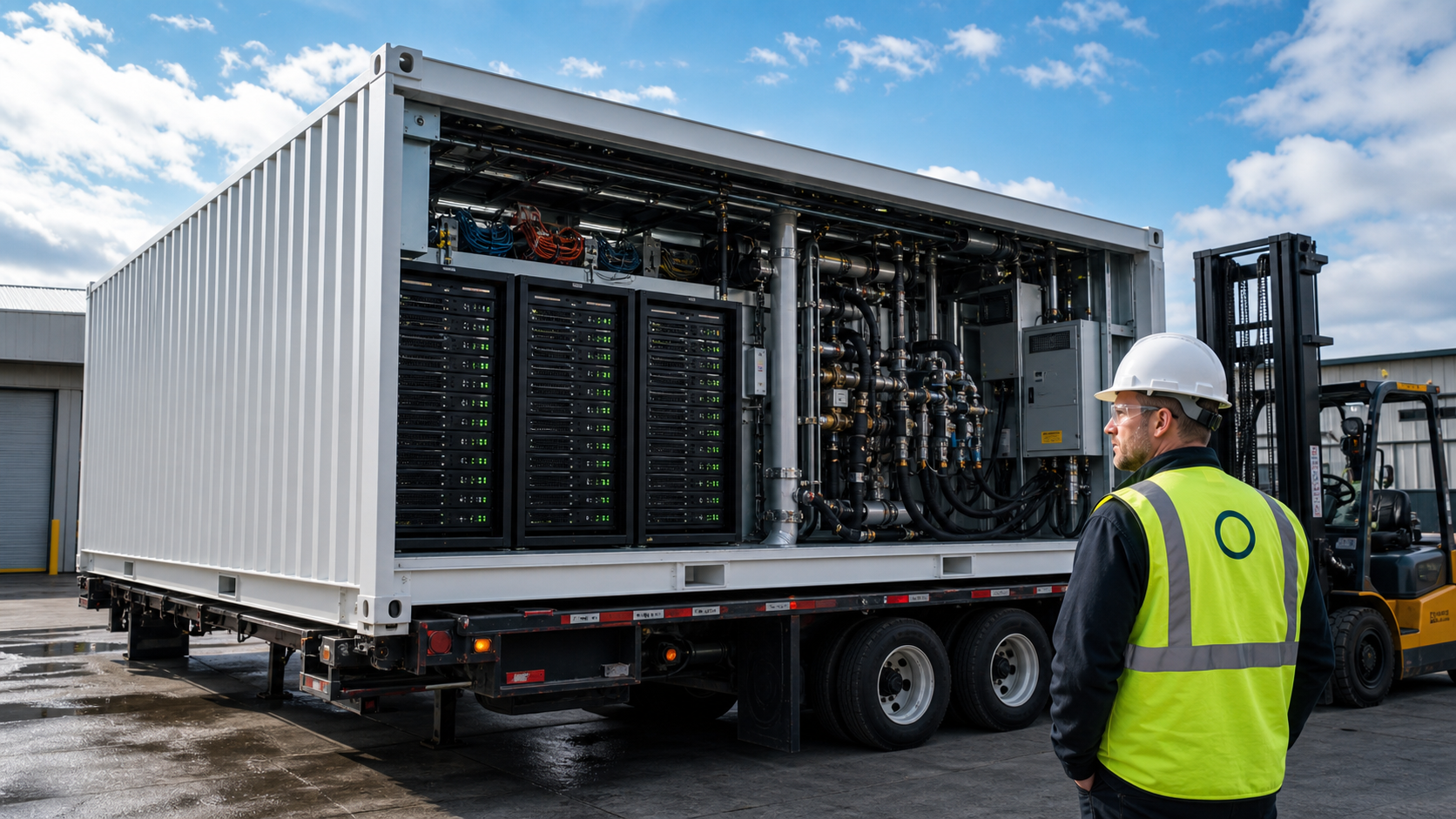
Microsoft announced upcoming Azure offerings based on AMD’s Helios AI platform and next-generation EPYC data-center processors. The planned HDv2, HXv2, and ND MI455X v7 virtual machines target AI data systems, electronic design automation, and production-scale inference.
TechStaged reviewed the company announcement and relevant reporting, then built this article as original analysis for readers who need to understand the operational impact rather than repeat a launch checklist.
WHY IT MATTERS
AI applications need more than accelerators. CPUs prepare data, coordinate agents, serve APIs, and keep pipelines moving. A broader infrastructure fleet can improve capacity and pricing flexibility, especially for organizations that need to balance training, inference, and traditional high-performance computing.
The broader shift is that technology decisions now affect budgets, permissions, customer expectations, and team habits at the same time. A useful evaluation therefore considers the full workflow, not only the headline feature.
WHAT TEAMS SHOULD CHECK
Before adopting the update, convert the news into a small implementation brief with an owner, a test case, and a rollback plan.
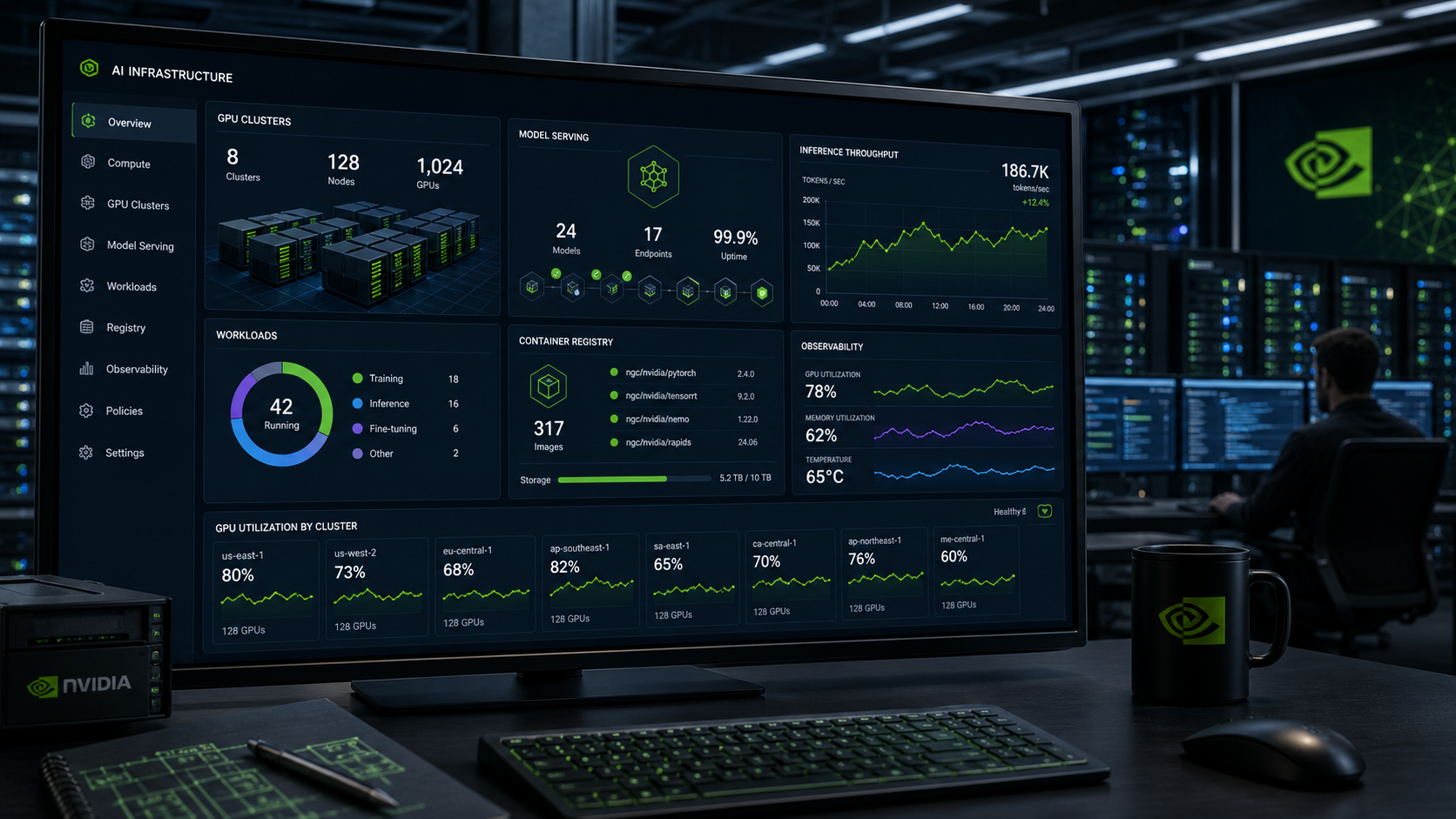
- Measure preprocessing, model serving, memory bandwidth, networking, and accelerator utilization for your actual workload.
- Compare AMD and Nvidia instances using throughput per dollar and latency at the traffic levels you expect.
- Check framework, driver, container, and managed-service compatibility before committing to a new instance family.
- Plan capacity around peak demand and regional availability instead of only average monthly usage.
- Keep deployment scripts portable so hardware changes do not force an application rewrite.
RISKS AND TRADEOFFS
New infrastructure families can arrive with limited regional capacity, tooling gaps, or immature optimization guides. Teams should pilot a representative workload and validate the full deployment path before moving production traffic.
A narrow pilot is usually the fastest way to expose those tradeoffs. Start with a workflow where the data, approval path, and success metric are clear, then expand only after the team can explain both the gains and the failure modes.
BOTTOM LINE
Microsoft and AMD are making Azure a more heterogeneous AI platform. That is useful for buyers who benchmark carefully and avoid treating hardware choice as a branding decision.