No-code automation lets small teams connect forms, CRM records, spreadsheets, email, chat, and project tools quickly. Adding AI agents increases the range of work those automations can attempt.
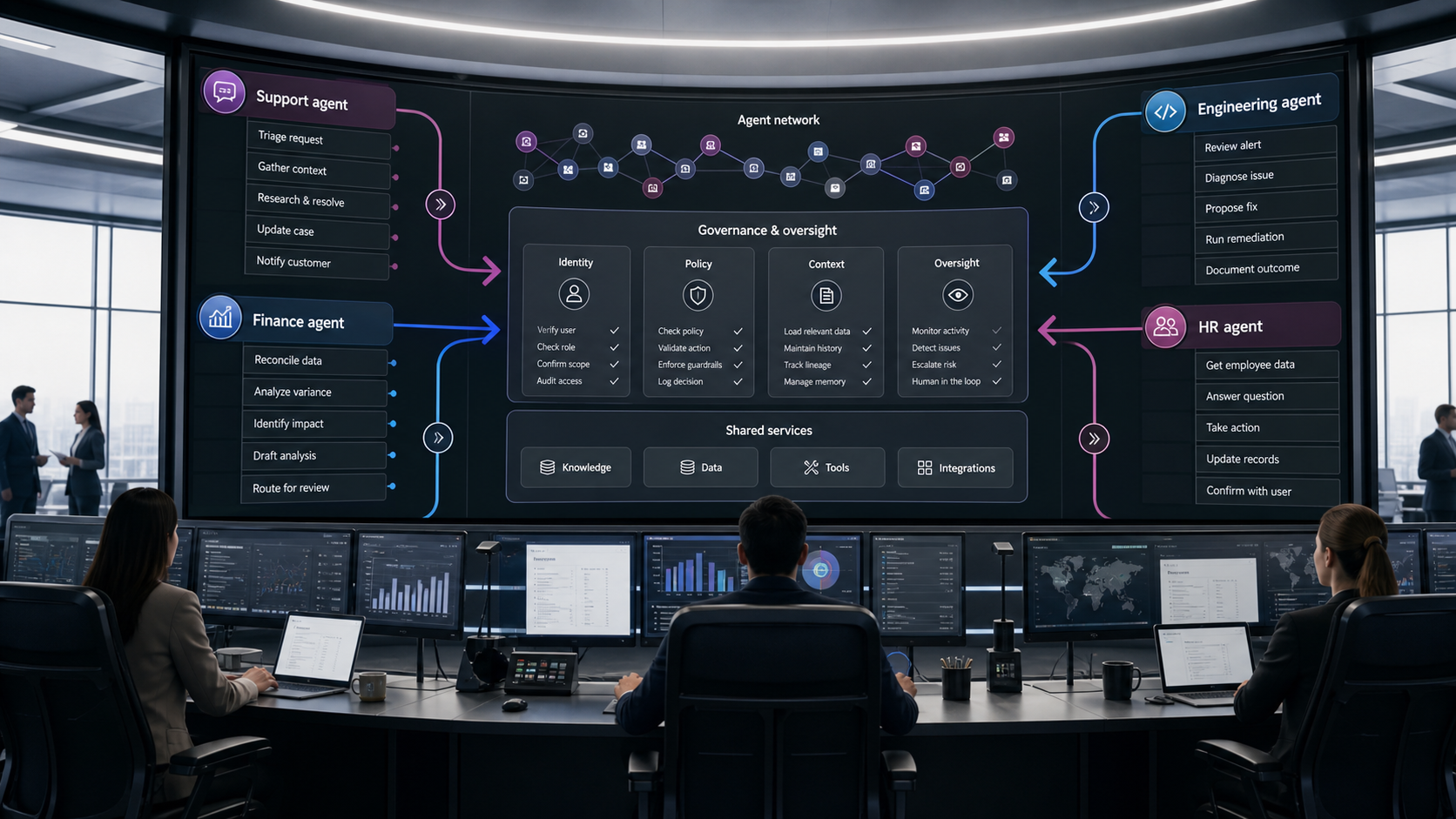
The governance issue is not whether no-code tools are useful. It is whether the team can explain which workflow changed a record, sent a message, created a task, or altered customer data.
WHY IT MATTERS
Governed automation can reduce manual work without creating invisible business logic. That is especially important when AI steps summarize, classify, draft, or decide what happens next.
A simple inventory also helps during incidents. If a bad trigger sends the wrong email or updates the wrong status, the team needs to pause the workflow quickly.
SELECTION CHECKLIST
Create minimum governance before agentic workflows reach customer-facing systems.
- Name every workflow with owner, system, purpose, and environment.
- Document triggers, inputs, outputs, connected apps, and AI steps.
- Require approvals for workflows that send external messages or update financial records.
- Review logs for failed runs, unexpected volume, and repeated AI uncertainty.
- Keep a rollback and disable plan for every production automation.
RISKS AND TRADEOFFS
The main risk is shadow operations. A workflow created by one team member can quietly become a business-critical system without documentation.
The tradeoff is speed. Governance adds a little friction, but it keeps useful automation from turning into brittle infrastructure.
BOTTOM LINE
AI makes no-code automation more powerful and harder to reason about. Keep an inventory, assign owners, and require approvals where workflows affect customers or money.