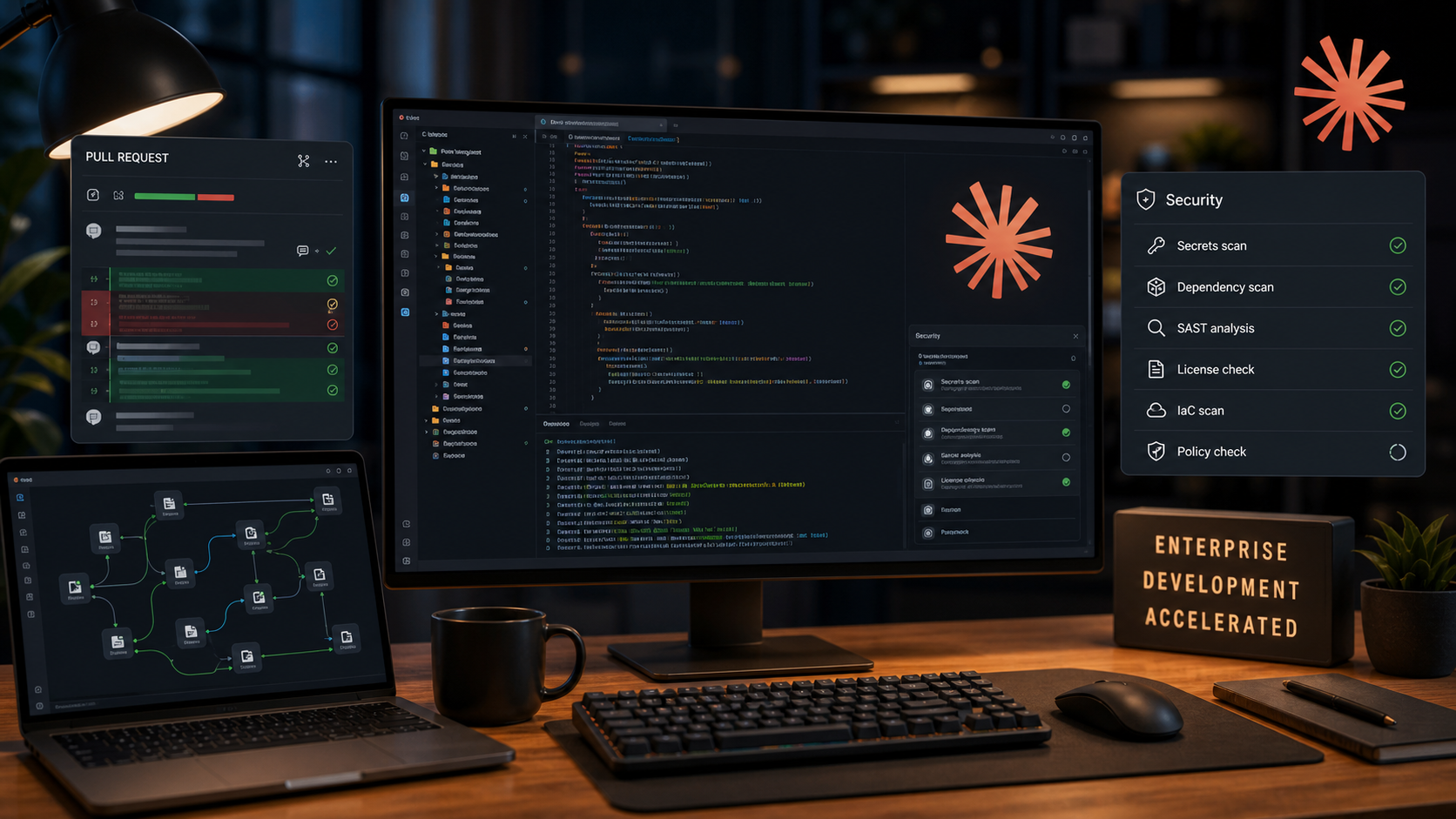
Vercel’s AI SDK 7 introduced HarnessAgent adapters for Claude Code, Codex, Deep Agents, OpenCode, and Pi. The abstraction is designed to normalize sessions, skills, sandboxes, permission flows, compaction, and sub-agent behavior behind a common interface.
TechStaged reviewed the company announcement and relevant reporting, then built this article as original analysis for readers who need to understand the operational impact rather than repeat a launch checklist.
WHY IT MATTERS
Model portability is no longer enough when teams depend on a complete agent runtime with tools, memory, and execution policy. A harness interface can reduce migration cost and let developers choose the right agent for a task, but it can also hide differences that matter for security and reproducibility.
The broader shift is that technology decisions now affect budgets, permissions, customer expectations, and team habits at the same time. A useful evaluation therefore considers the full workflow, not only the headline feature.
WHAT TEAMS SHOULD CHECK
Before adopting the update, convert the news into a small implementation brief with an owner, a test case, and a rollback plan.
- Document which harness capabilities are guaranteed and which remain provider-specific.
- Use isolated sandboxes and explicit approvals for file edits, terminal commands, and network access.
- Record model, harness, tool, and prompt versions for each production task.
- Build timeout, cancellation, retry, and partial-result handling before running long agents unattended.
- Evaluate portability by migrating a real task rather than relying on a shared type signature.
RISKS AND TRADEOFFS
A common API can encourage teams to assume that every agent is equally safe or deterministic. The runtime still controls powerful actions, so policy must follow the harness and not stop at the wrapper.
A narrow pilot is usually the fastest way to expose those tradeoffs. Start with a workflow where the data, approval path, and success metric are clear, then expand only after the team can explain both the gains and the failure modes.
BOTTOM LINE
HarnessAgent is a promising portability layer for agent applications. Use it to reduce integration work while keeping each harness’s permission and execution model visible.