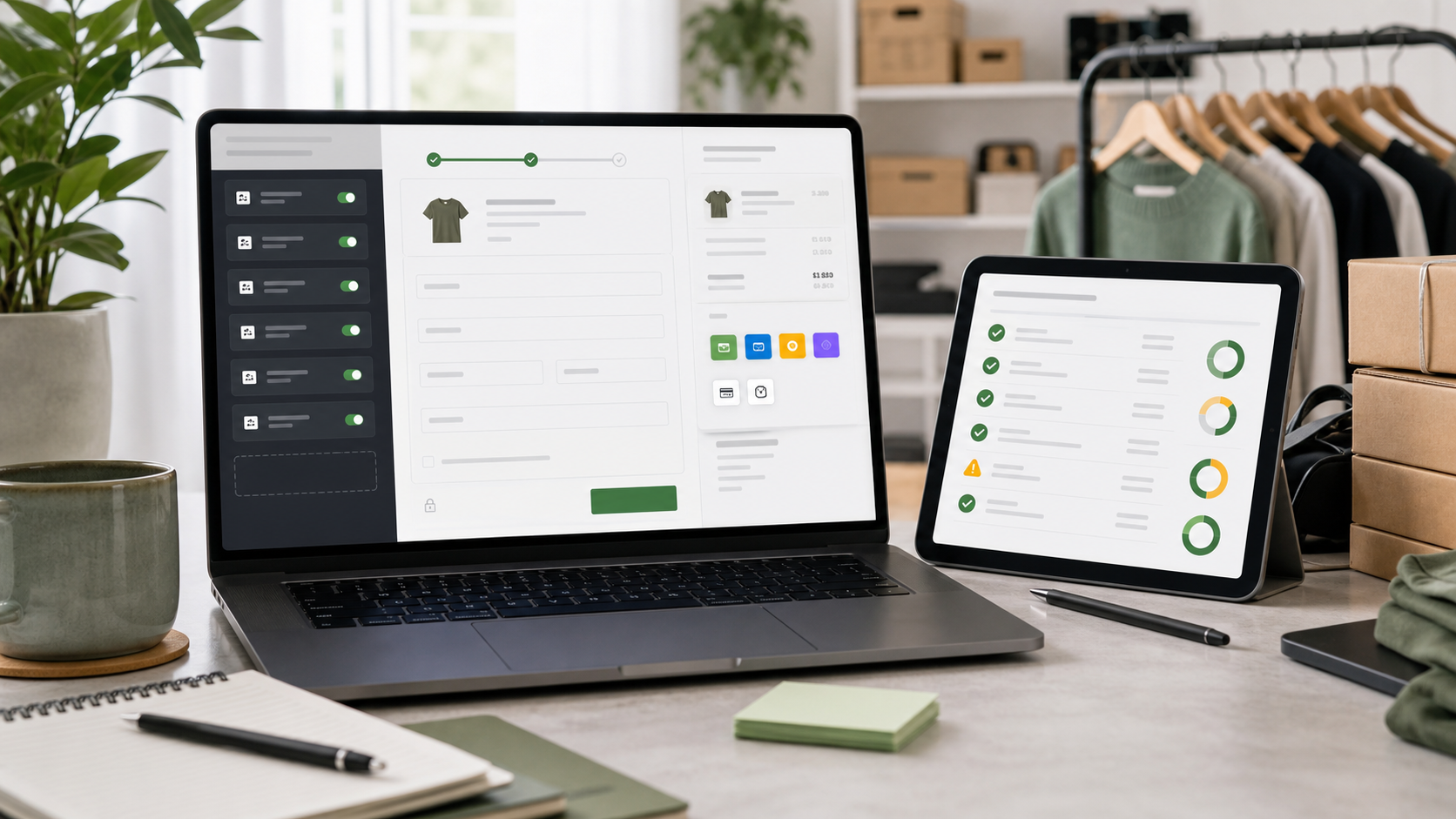
B2B e-commerce is not only a bulk-order storefront. Buyers may need company accounts, role-based permissions, custom catalogs, negotiated prices, payment terms, purchase-order workflows, and account manager visibility.
Shopify B2B documentation centers on company and customer structures, which highlights the main planning point: the account model drives the ordering experience.
WHY IT MATTERS
A strong B2B setup can reduce manual sales operations and give repeat buyers faster ordering. It can also make pricing and catalog access more consistent across accounts.
A weak setup creates support tickets because buyers cannot find approved items, use terms, invite colleagues, or understand why prices differ.
SELECTION CHECKLIST
Start by translating the current account-management process into platform rules.
- Define company records, locations, buyer roles, and approval responsibilities.
- Map catalogs, price lists, volume rules, and customer-specific availability.
- Configure payment terms, purchase orders, tax rules, and credit checks.
- Decide which buyers can invite teammates or place orders without approval.
- Pilot with accounts that represent common and complex ordering patterns.
RISKS AND TRADEOFFS
The biggest risk is hiding sales complexity in manual exceptions. If the platform does not model account rules clearly, teams will keep fixing orders by hand.
The tradeoff is launch scope. It is better to support a focused B2B segment well than to promise every custom account rule on day one.
BOTTOM LINE
B2B e-commerce succeeds when buyer accounts reflect real purchasing rules. Configure the account model before polishing the storefront.