A privacy impact assessment asks what data a product feature collects, why it is needed, who can access it, how long it remains, and what choices users have.
Small teams can keep the process lightweight while still making privacy decisions visible before launch.
WHY IT MATTERS
A practical assessment can prevent unnecessary data collection and reduce rework later. It also helps product, engineering, legal, and support teams align around user expectations.
The value is strongest when assessment findings change defaults, retention, permissions, or copy before release.
IMPLEMENTATION CHECKLIST
Run the assessment while product decisions are still changeable.
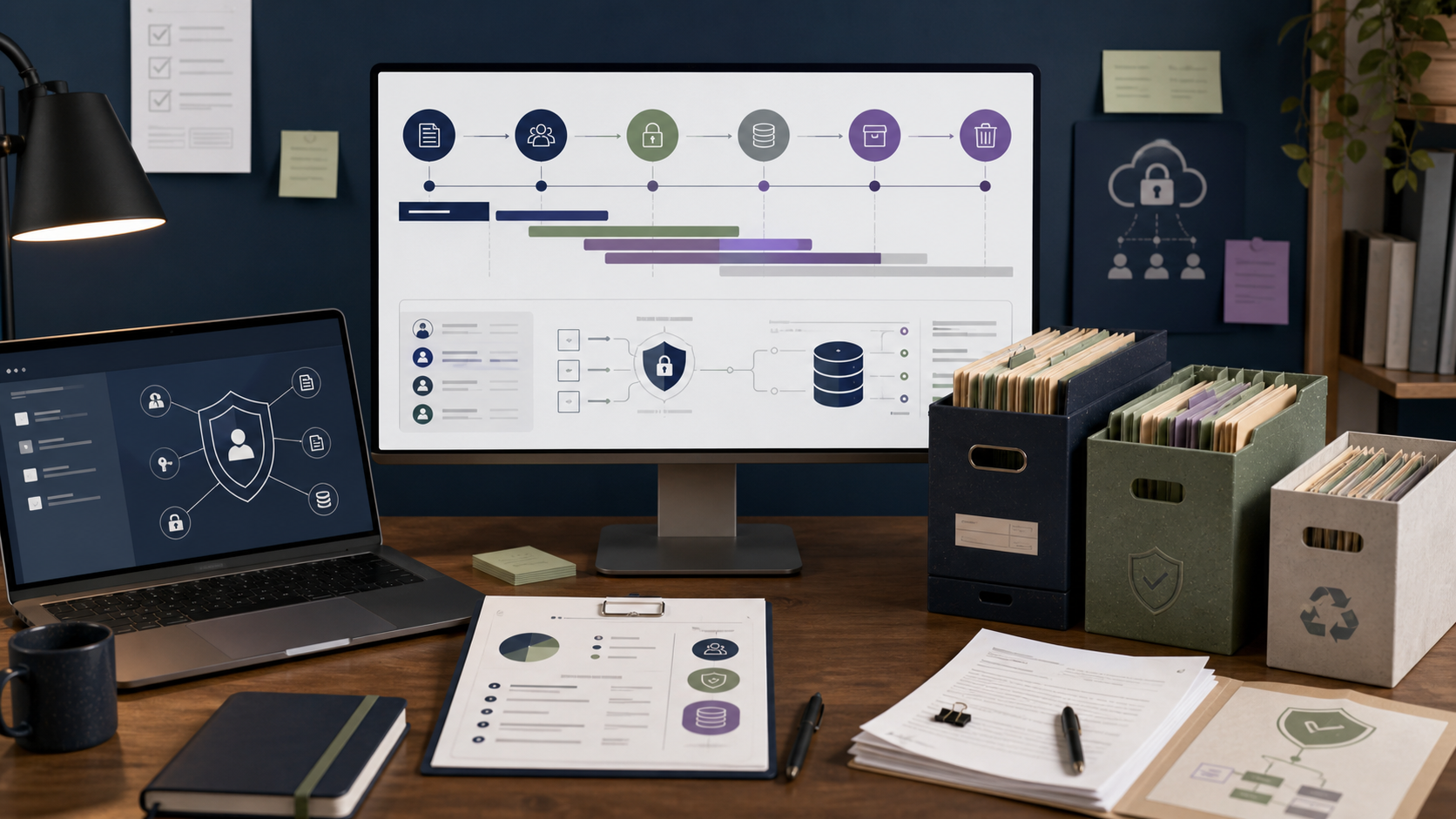
- Map data elements, sources, purpose, users, vendors, and retention.
- Identify sensitive data, optional data, and data that can be avoided.
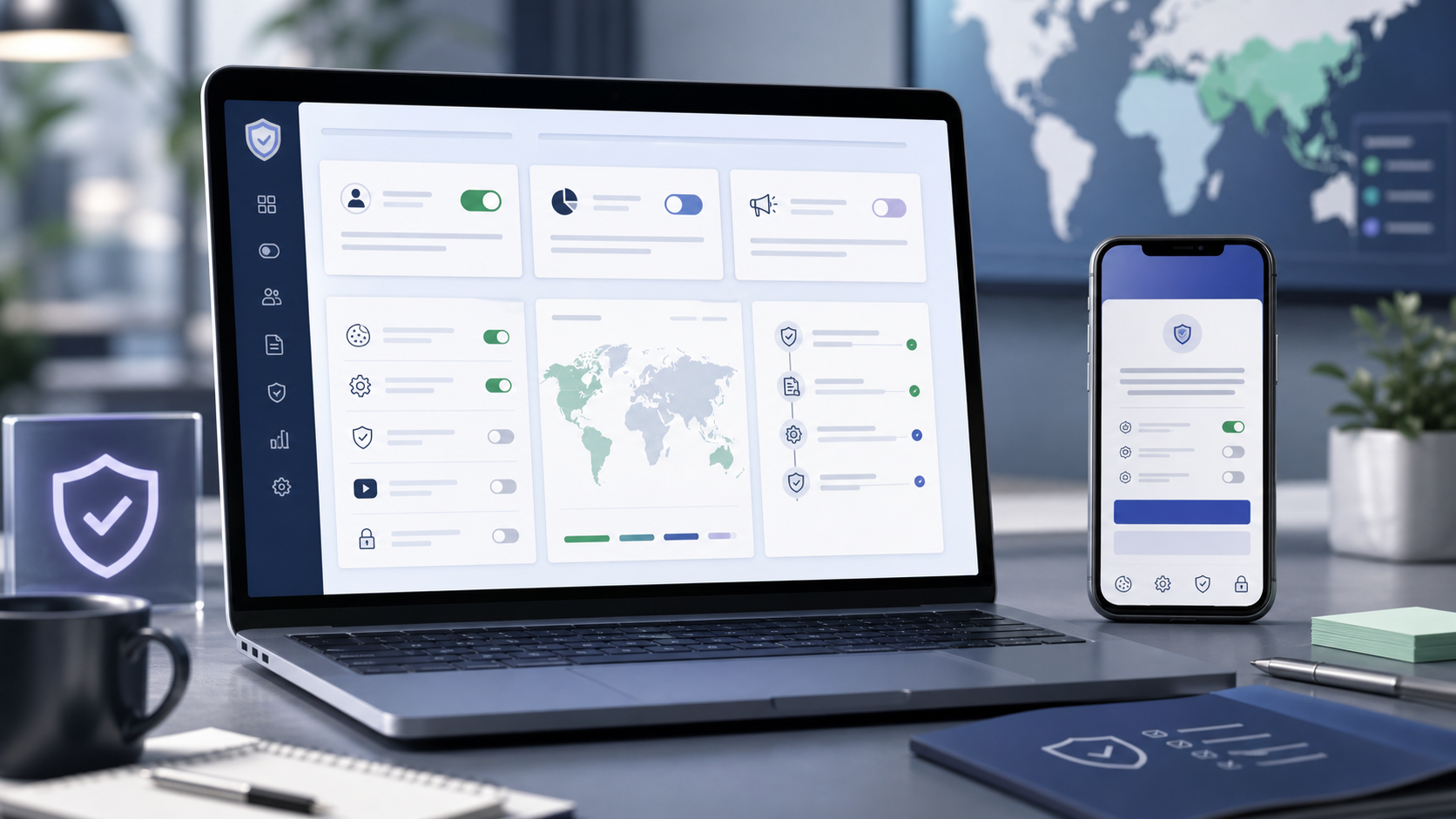
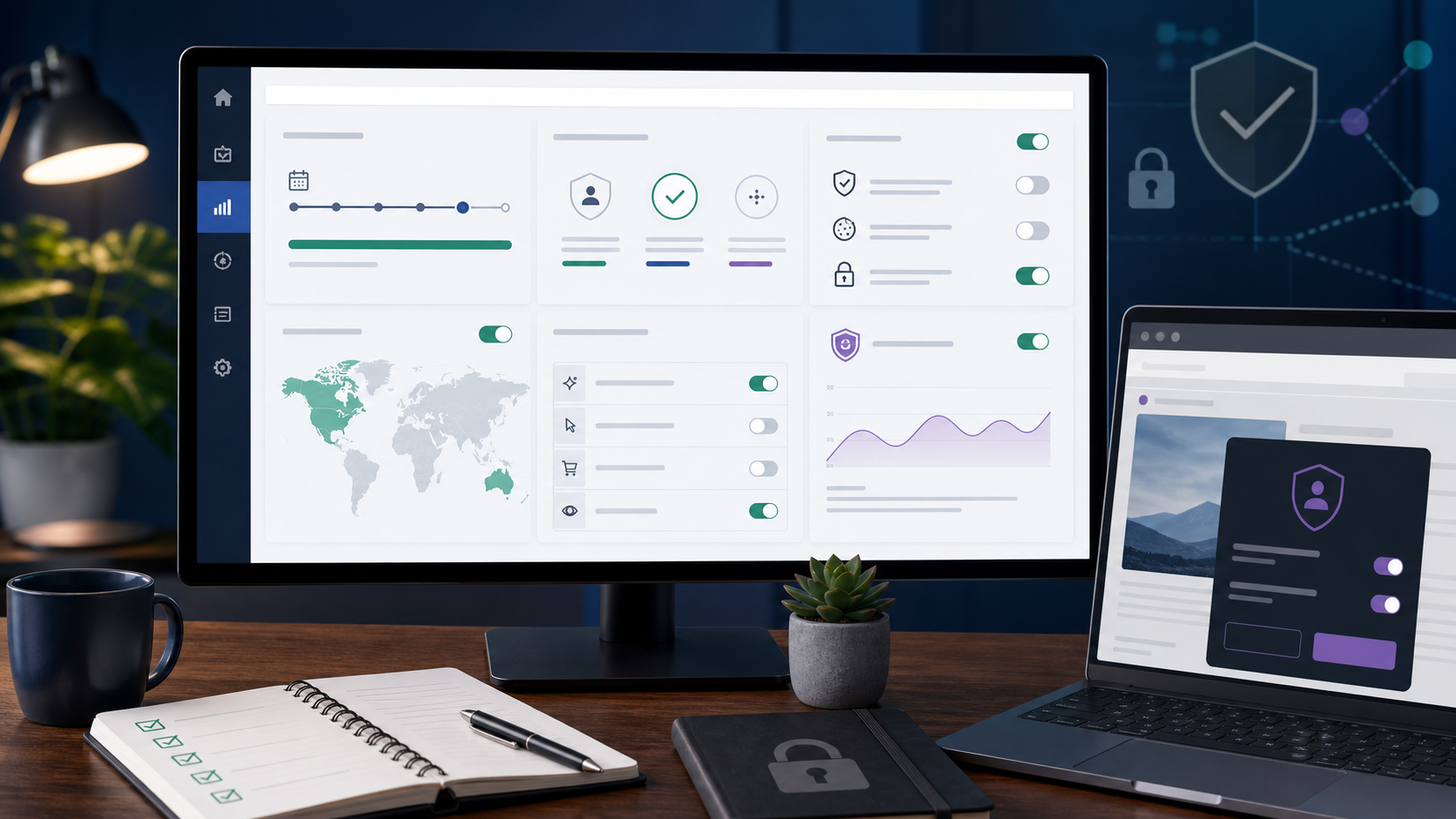
- Review consent, notice, access, deletion, export, and correction needs.
- Check internal permissions and logging for the new data.
- Document decisions and revisit them after launch behavior is known.
RISKS AND TRADEOFFS
The main risk is treating privacy review as a final approval stamp. At that point, design changes are harder.
The tradeoff is speed. Early privacy review adds a planning step, but it can prevent bigger launch delays later.
BOTTOM LINE
Privacy impact assessment works best as a product design habit: map data, challenge necessity, and make controls visible early.