Post-quantum authentication: Why organizations should start testing certificate ecosystems now
A Microsoft Security Blog article outlines that organizations should start testing certificate ecosystems to prepare for post-quantum authentication.

Security Reporter
Elise tracks browser security, infrastructure risks, privacy changes, and essential protection steps for teams.
Editorial policy and correction requests

A Microsoft Security Blog article outlines that organizations should start testing certificate ecosystems to prepare for post-quantum authentication.


A Microsoft Security Blog article collects CISOs' views on how to manage vulnerability risks in the age of AI, highlighting concerns and focus areas for security leaders.


Microsoft Security Blog outlines Storm-3168, a cloud-targeting campaign described as agentic-driven and enabled by compromised service principals.


TechStaged reports on a Microsoft Security Blog post that introduces a threat-matrix approach to mapping threats across cloud web applications.


OpenAI outlines the role of AI in modern cybersecurity and what security teams can do to strengthen defenses.


New privacy research says third-party Android advertising SDKs can inherit precise location access from host apps, exposing a consent gap developers must close.


Nvidia backed a new Open Secure AI Alliance working group that is drafting shared practices for reporting and learning from AI security incidents.


Apple is seeking expedited discovery in its trade secret case against OpenAI and says more former employees may have moved confidential product knowledge.


A code scanning rollout plan for teams that want useful alerts, sane ownership, and fewer noisy security workflows.


Passkeys can reduce password risk, but small businesses need a rollout plan for devices, recovery, shared accounts, and administrator access.


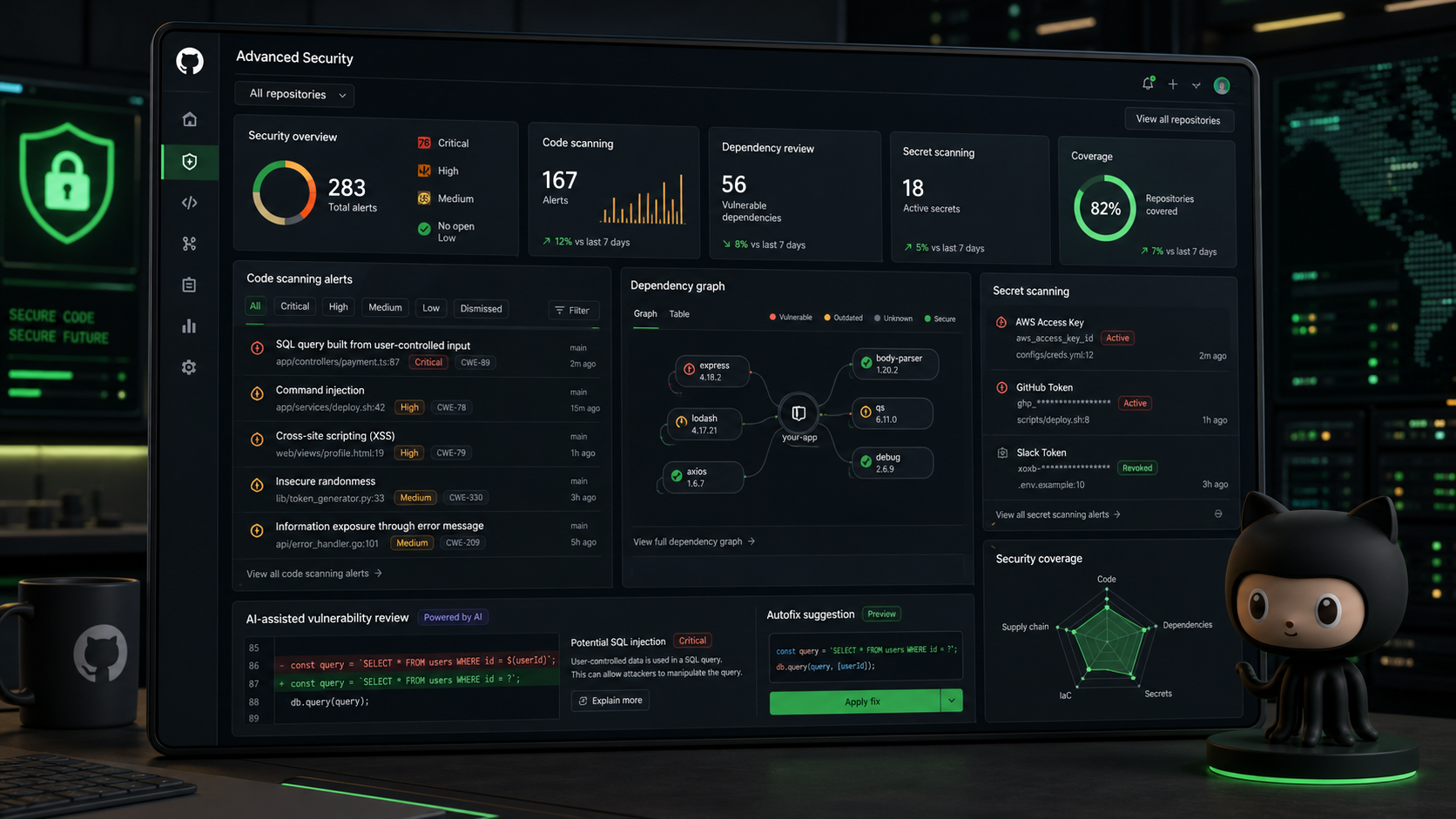
A GitHub Advanced Security rollout plan for code scanning, secret scanning, dependency review, autofix suggestions, and vulnerability ownership.


GitHub is holding potentially malicious workflow runs in public repositories for approval, adding friction where compromised credentials can steal CI secrets.


Nuxt 4.5.1, 3.21.10, and Nuxt DevTools 3.3.1 address eight advisories. Vercel mitigations help, but every affected project still needs an upgrade.


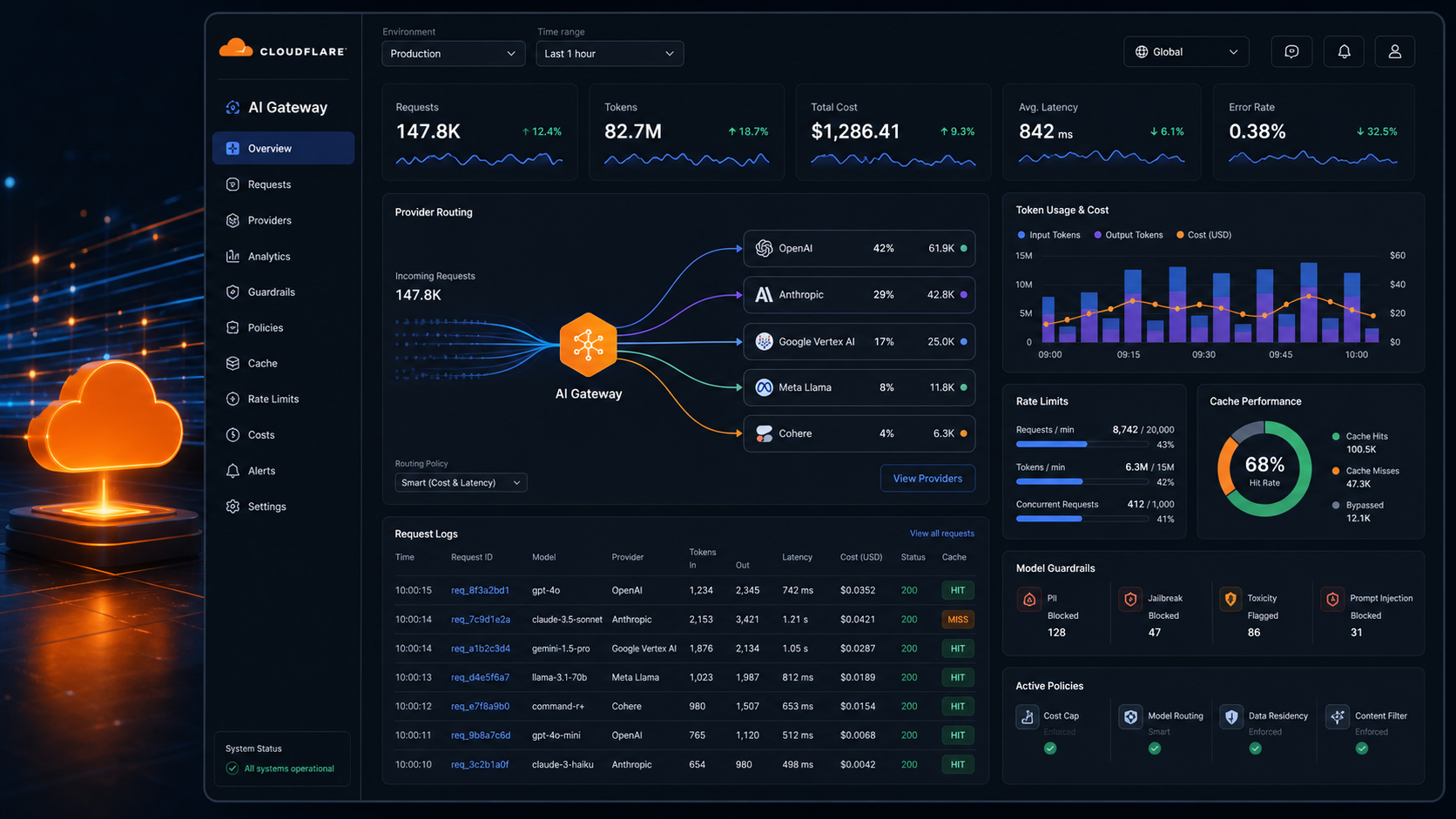
Vercel AI Gateway can now pin inference to the US or EU and report the serving region, giving developers a simpler residency control across providers.


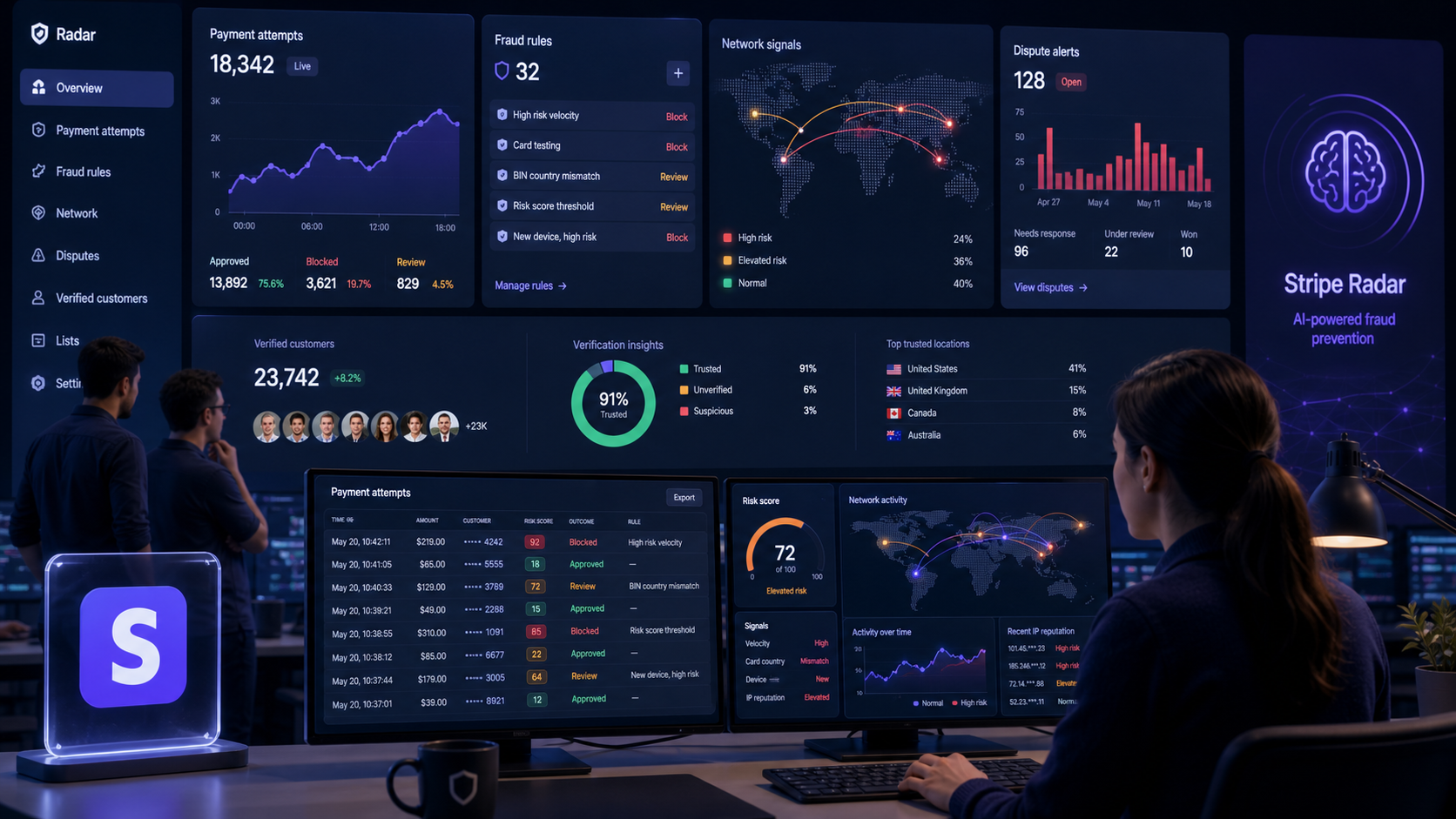
A Stripe Radar fraud control guide for ecommerce teams balancing automated risk scores, custom rules, reviews, disputes, and conversion.


A website accessibility audit checklist based on WCAG 2.2 principles for teams reviewing navigation, forms, media, content, and mobile layouts.


Cookie consent management software should be reviewed for scanner accuracy, consent logs, regional rules, tag blocking, and user experience.


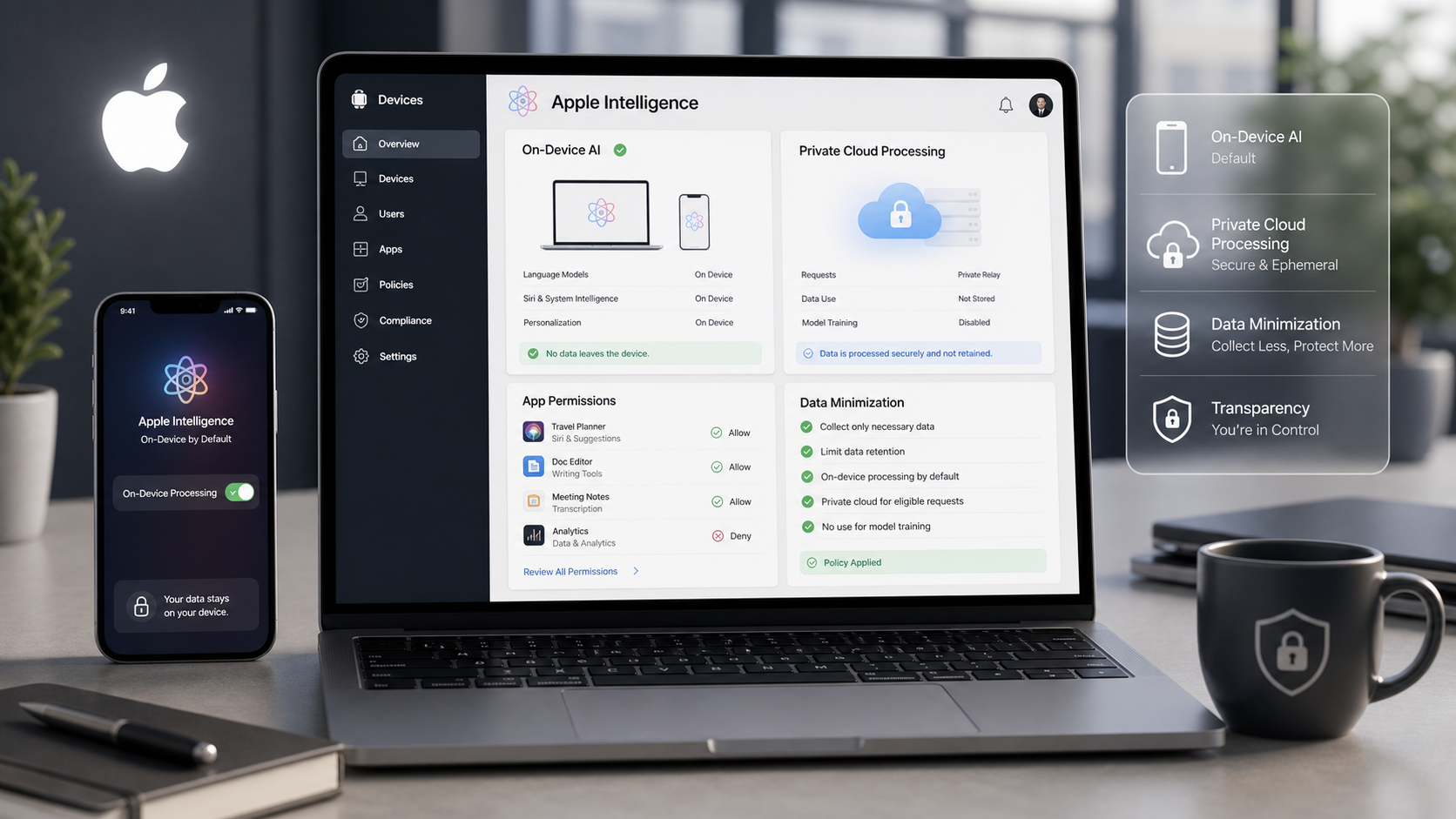
A business privacy checklist for Apple Intelligence covering on-device processing, app permissions, private cloud processing, and data minimization.


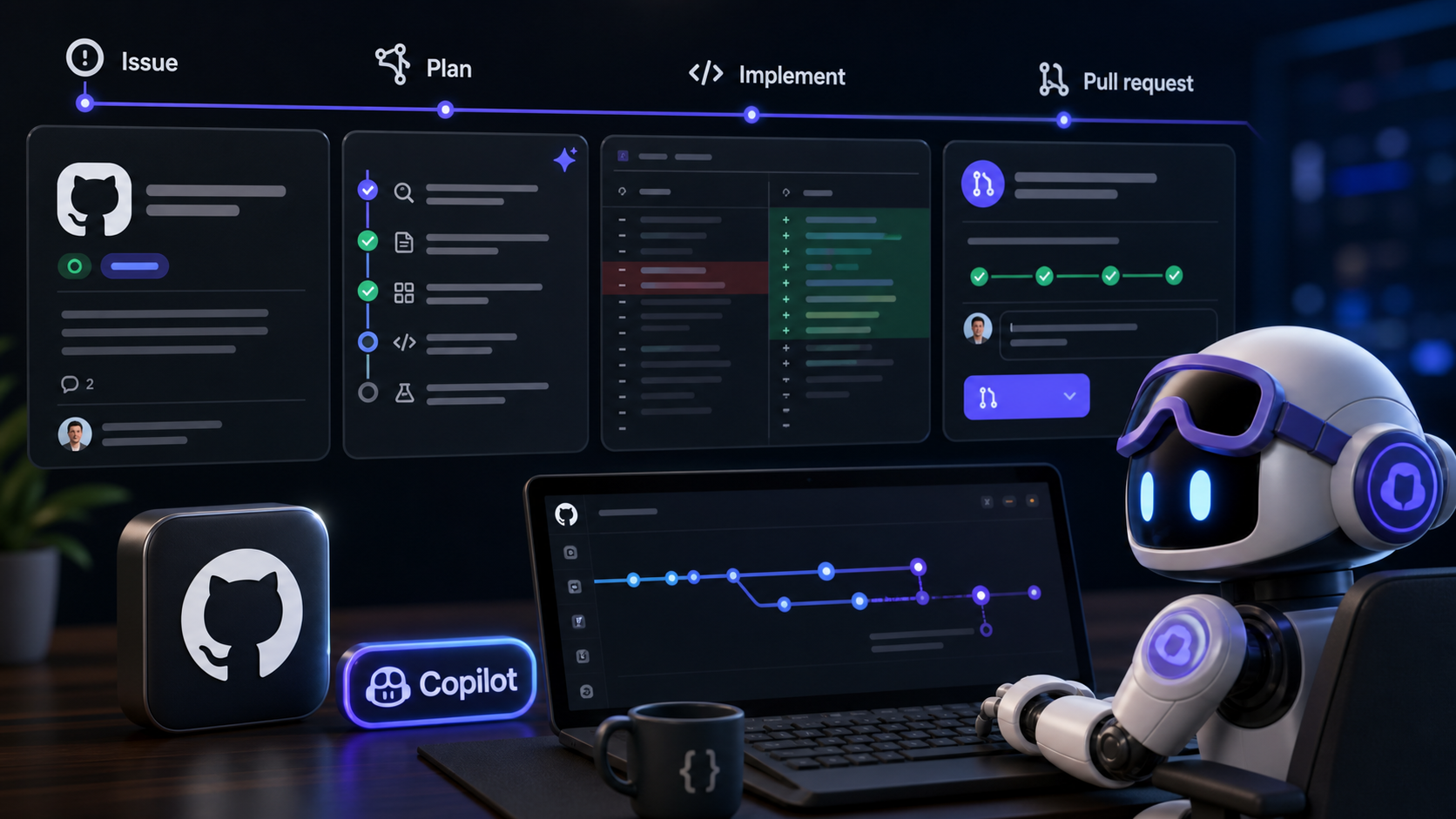
GitHub is surfacing AI-powered security detections in pull requests to cover more languages and frameworks beyond CodeQL’s native analysis.


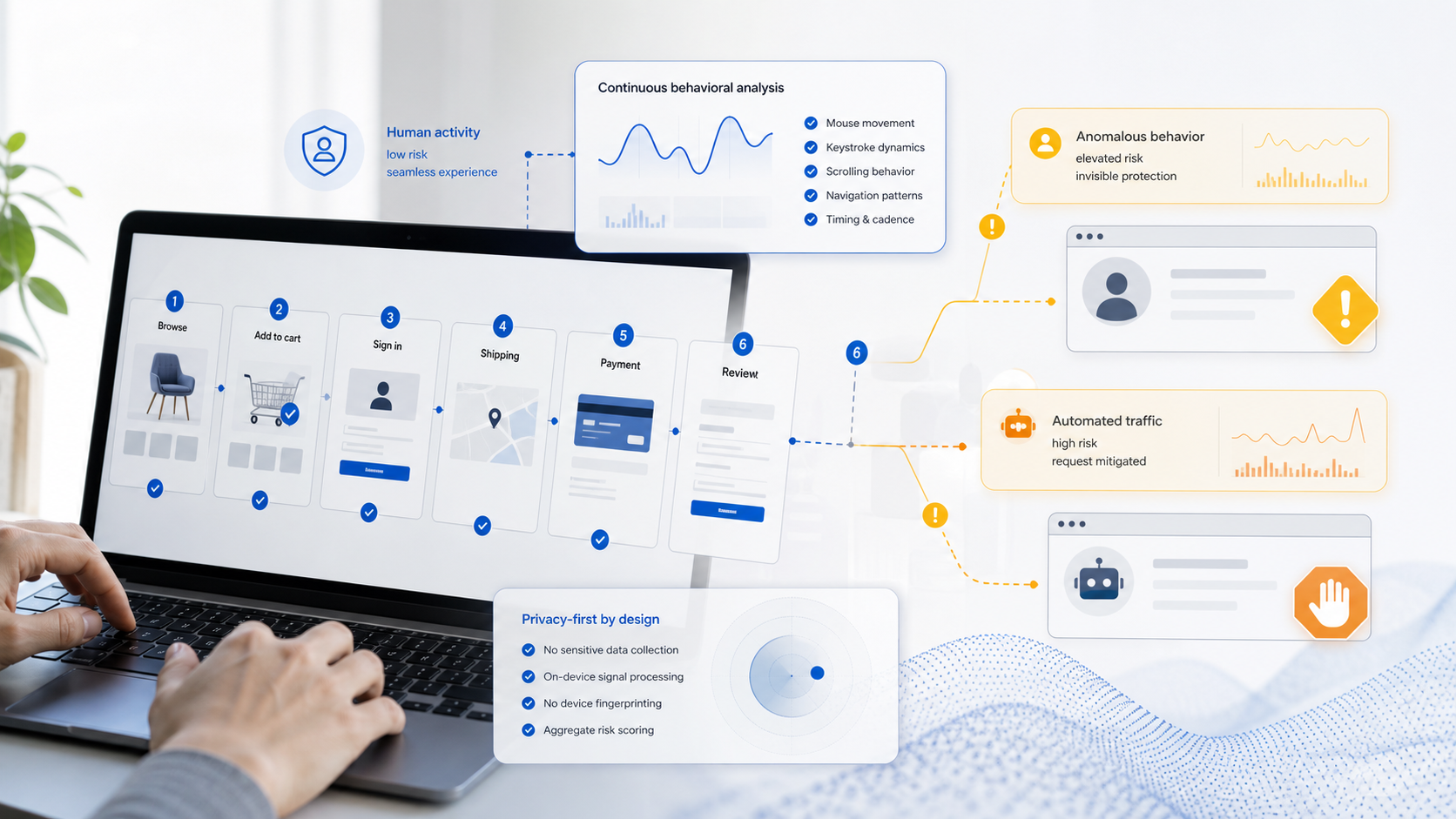
Cloudflare introduced Precursor, a session-based behavioral validation system designed to detect automated traffic during real user journeys.


Endpoint detection for small businesses should cover device inventory, alert tuning, isolation, patch visibility, response roles, and recovery paths.


A SaaS backup and recovery checklist for small businesses that rely on cloud apps for email, files, CRM, finance, and operations.


A phishing-resistant MFA rollout should prioritize admin accounts, hardware keys, passkeys, recovery rules, user training, and fallback controls.


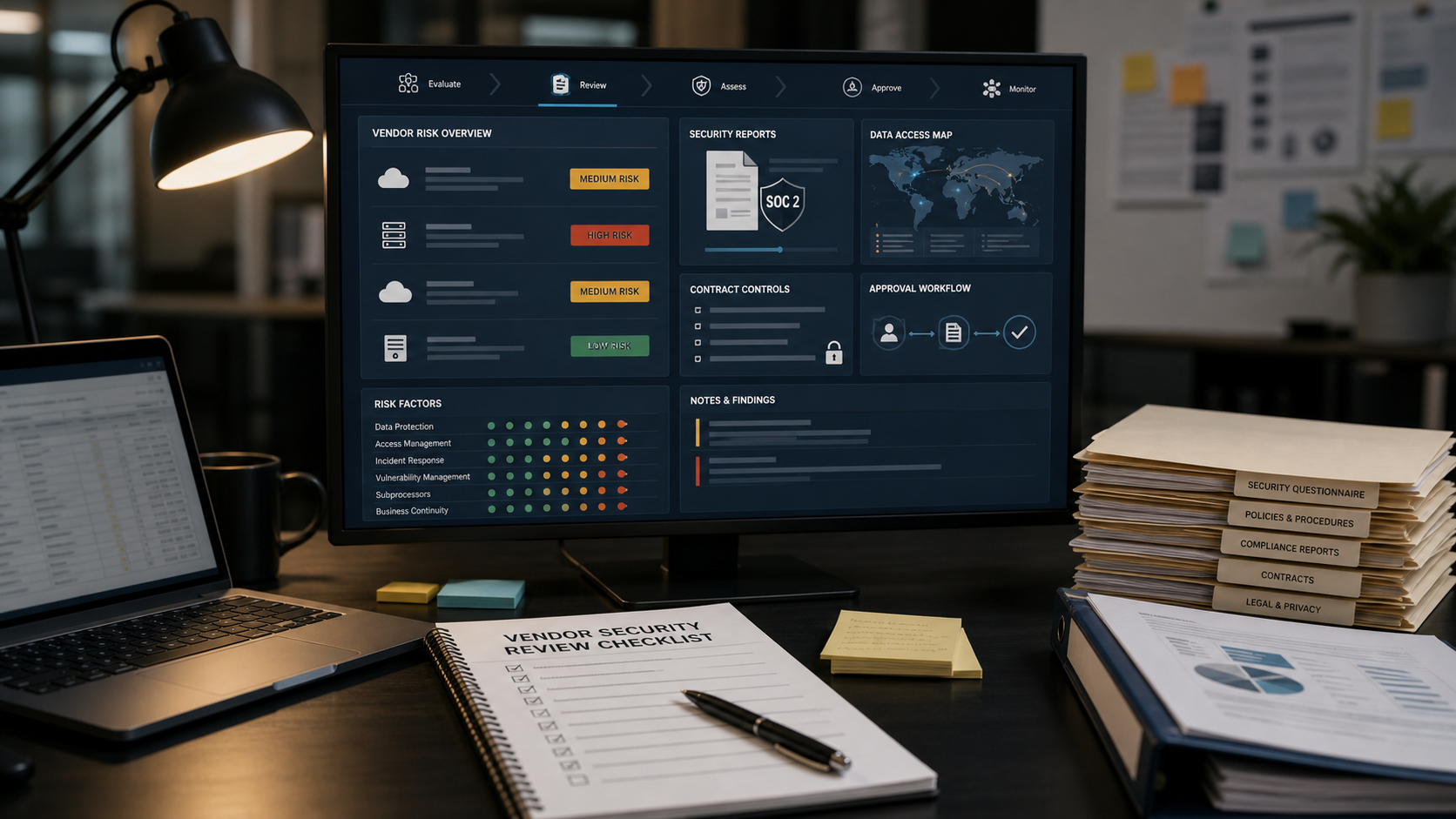
Vendor security review should cover data access, security reports, subprocessors, incident response, account controls, contracts, and renewal checks.


Plan privacy-safe ecommerce measurement with Google Privacy Sandbox APIs, consent states, modeled conversions, and merchant analytics controls.


A tabletop exercise helps small teams test incident roles, communication, evidence handling, customer impact, vendor contacts, and recovery decisions.


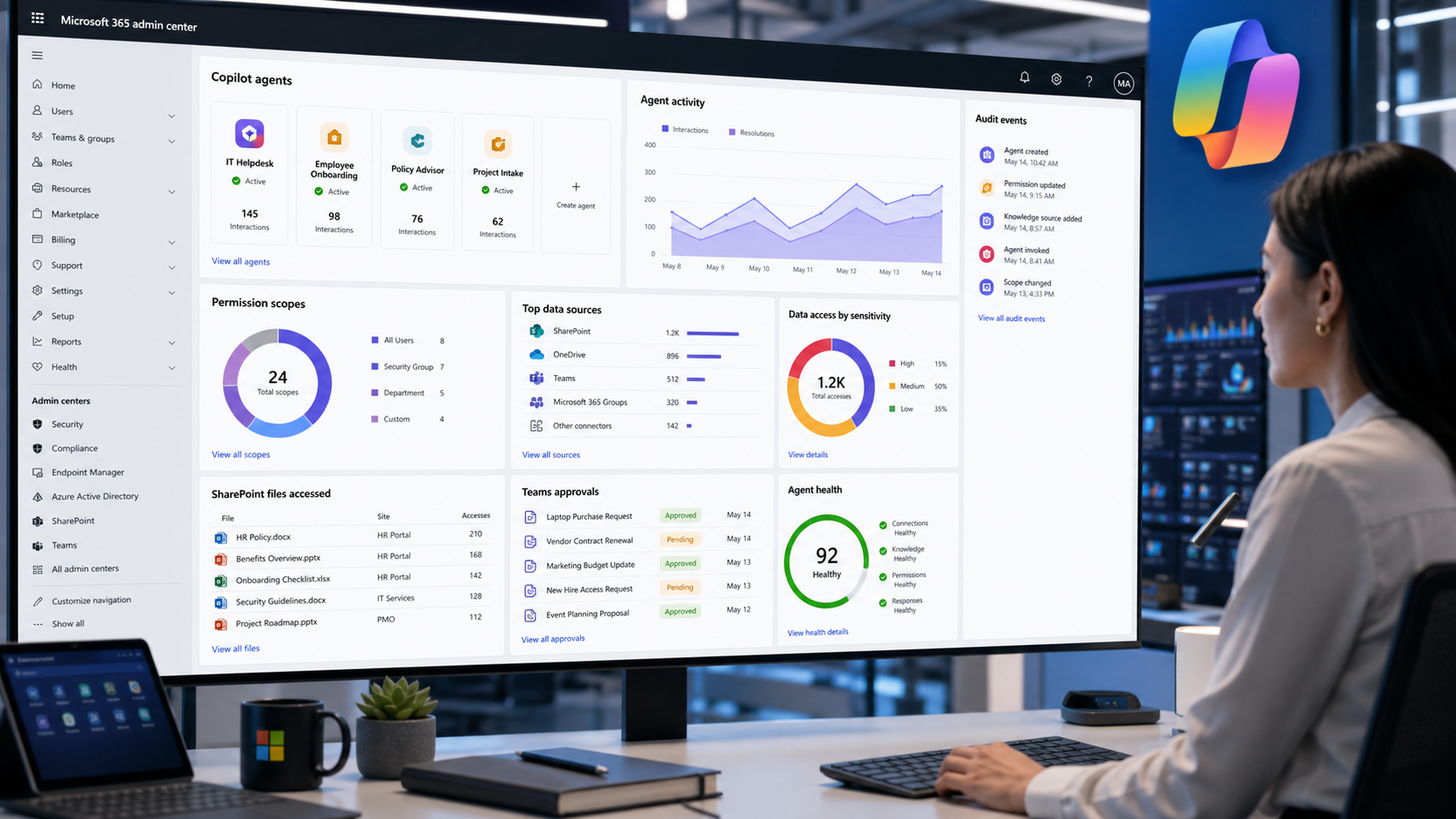
A Microsoft Agent 365 admin checklist for inventory, identity, Teams and SharePoint access, risk posture, and policy enforcement.


TikTok is expanding AI literacy, testing detection for AI spam, and joining the C2PA Steering Committee to improve content transparency.


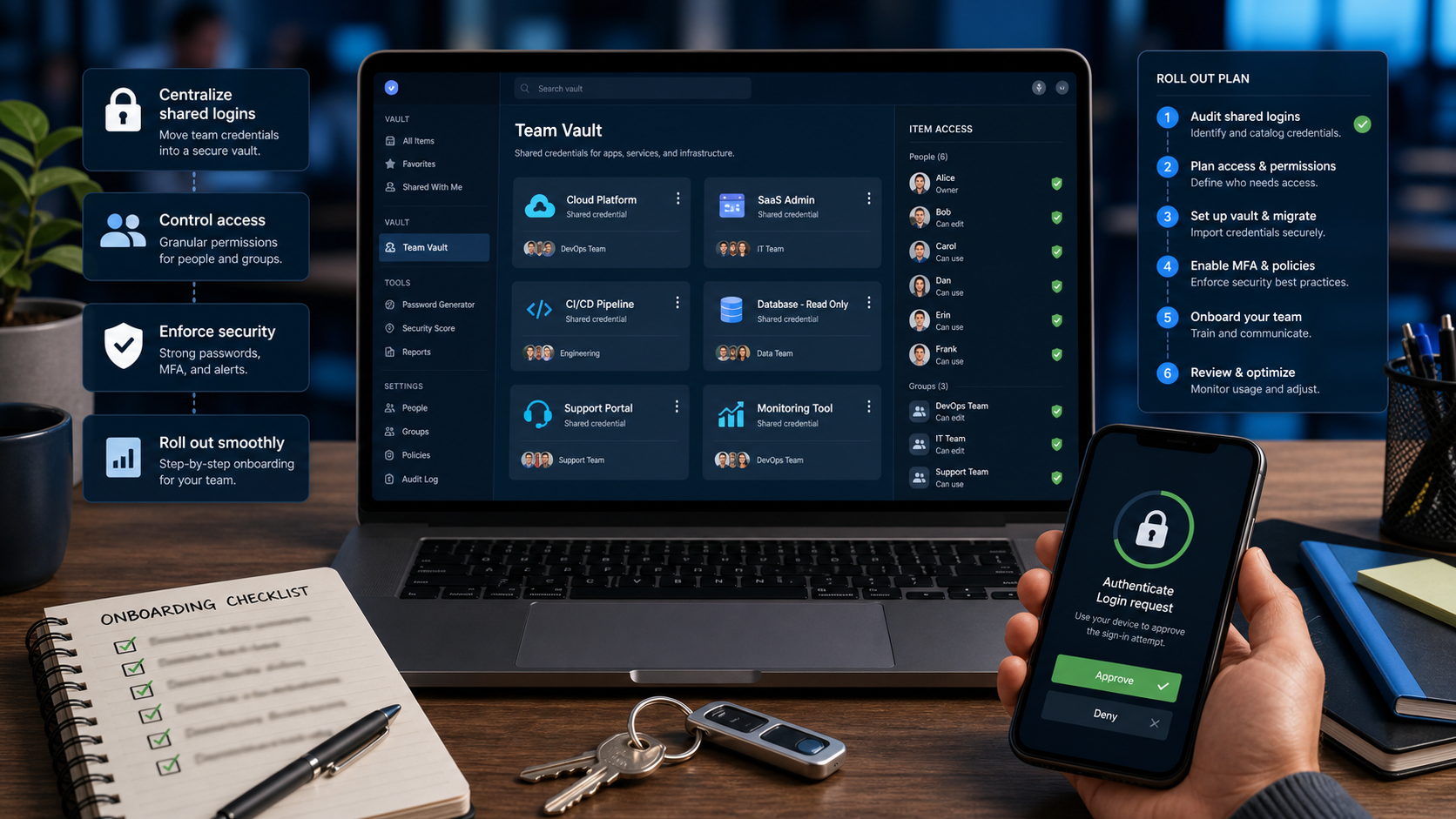
A password manager rollout plan for teams that need to clean shared logins, protect admin accounts, and improve offboarding.


A privacy impact assessment helps product teams review data collection, purpose, minimization, consent, retention, vendors, and user controls before launch.


Researchers found symlink flaws in several AI coding assistants that could redirect an approved file edit to a sensitive path.


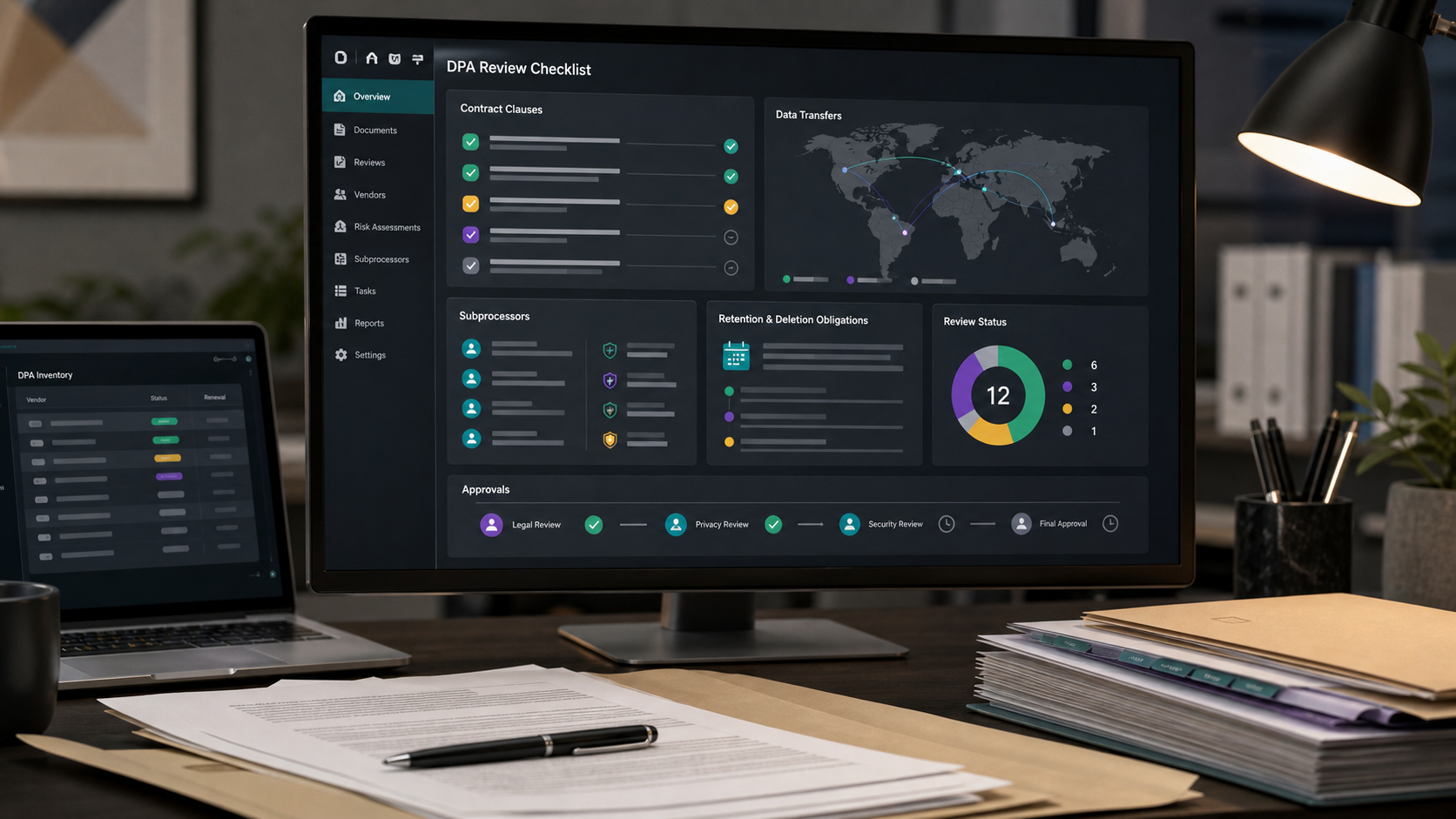
Review data processing agreements by checking roles, subprocessors, transfers, retention, deletion, incident notice, audits, and support obligations.


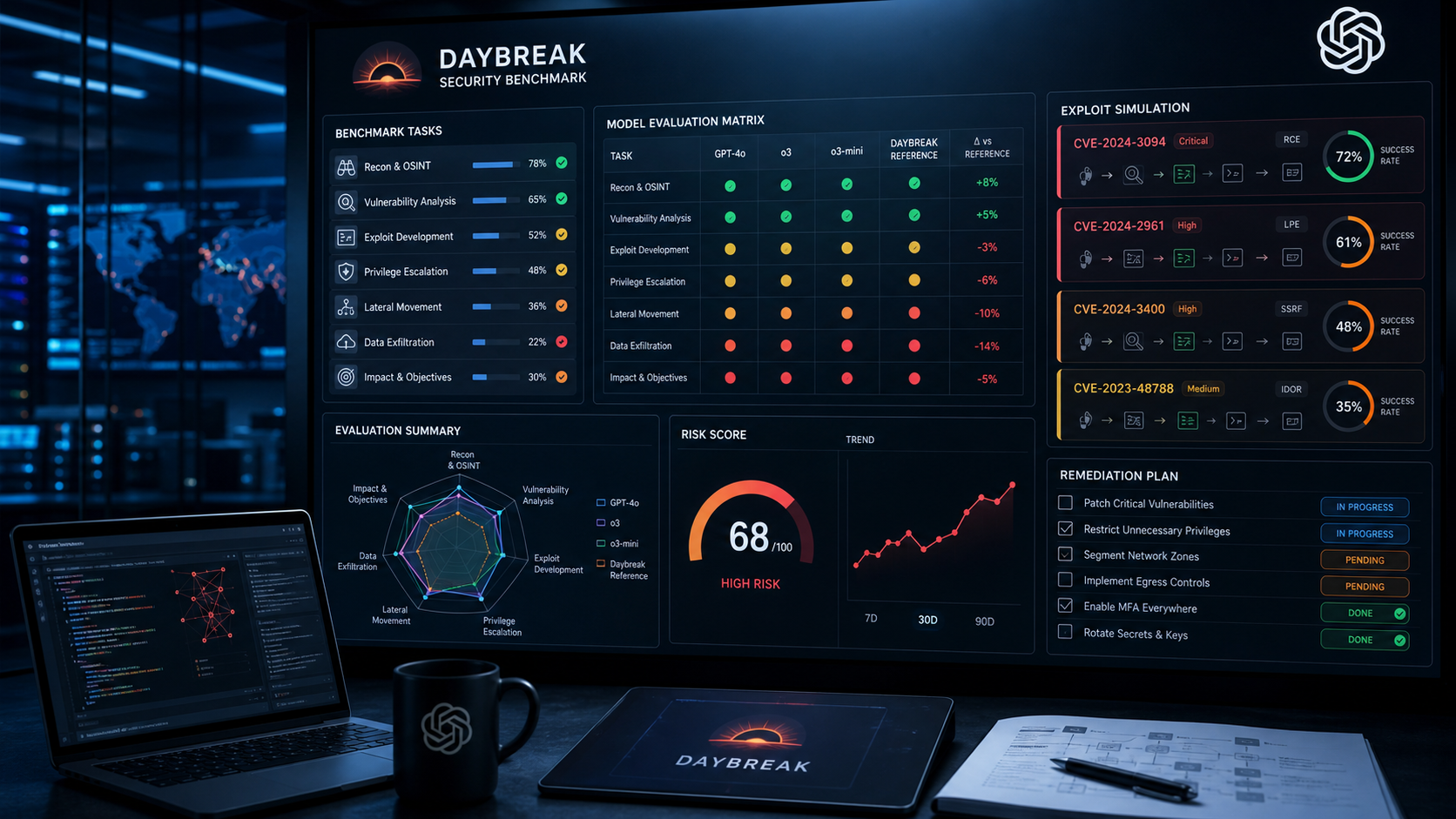
How security teams can use OpenAI security benchmark thinking to evaluate model behavior across exploit simulation, remediation, and cyber risk.


Analytics privacy settings should cover data retention, consent behavior, event collection, user deletion, advertising features, and access controls.


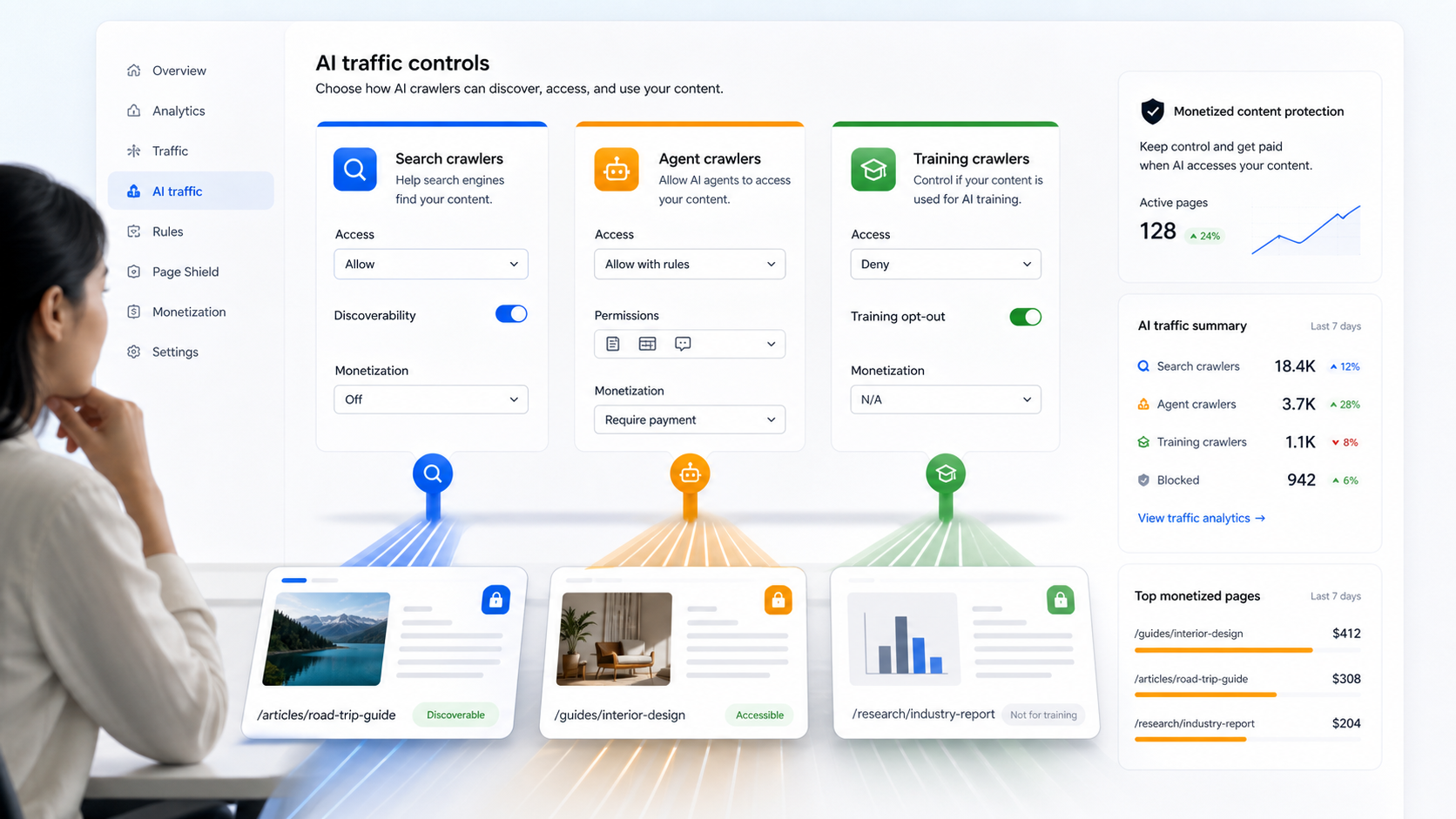
Cloudflare added AI traffic controls that separate Search, Agent, and Training crawlers so site owners can tune access by use case.


GitHub is previewing enterprise public monitoring that finds leaked secrets across public GitHub content and attributes them to an organization.


Apple says the Digital Markets Act is delaying Siri AI on iPhone and iPad in the EU. The decision exposes the tension between privacy and platform access.


Meta is rolling out an AI support assistant for Facebook and Instagram account issues. Businesses should watch recovery controls, escalation, and fraud resistance.


GitHub Dependabot can now flag known malicious npm versions separately from ordinary CVEs, helping teams triage dependency risk faster.