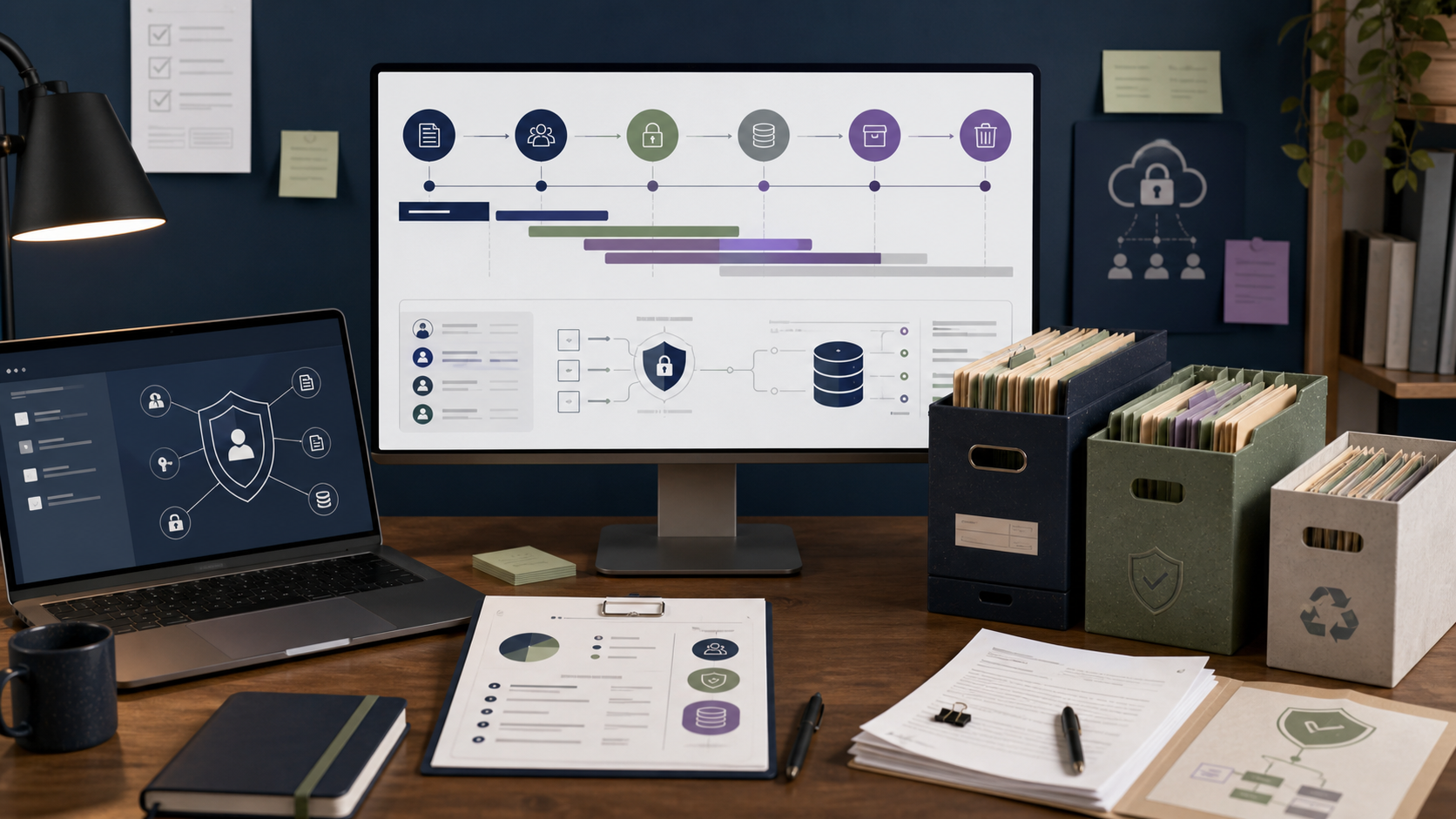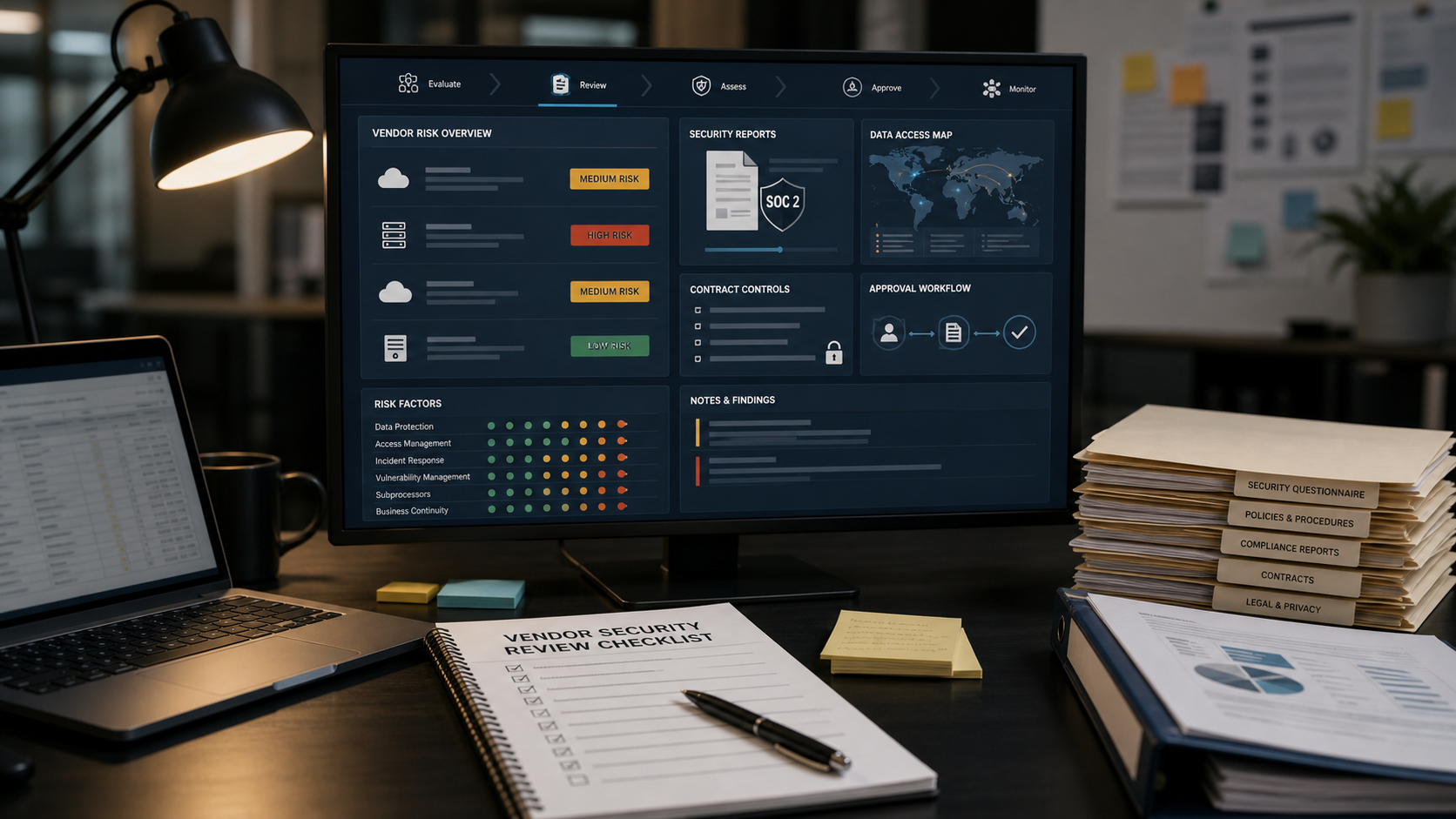
Small companies buy SaaS quickly, but each vendor can introduce data, access, and continuity risk. A review checklist helps teams match scrutiny to the importance of the system.
The review should be lighter for low-risk tools and deeper for vendors touching customer data, finance, identity, production systems, or confidential documents.
WHY IT MATTERS
A good review reduces surprise risk and gives business owners a defensible record of why a tool was approved.
It also helps teams identify administrative controls they must configure after purchase.
IMPLEMENTATION CHECKLIST
Review vendors by data sensitivity and operational dependency.
- Classify the data, users, systems, and integrations the vendor will access.
- Request relevant security reports, policies, certifications, or questionnaires.
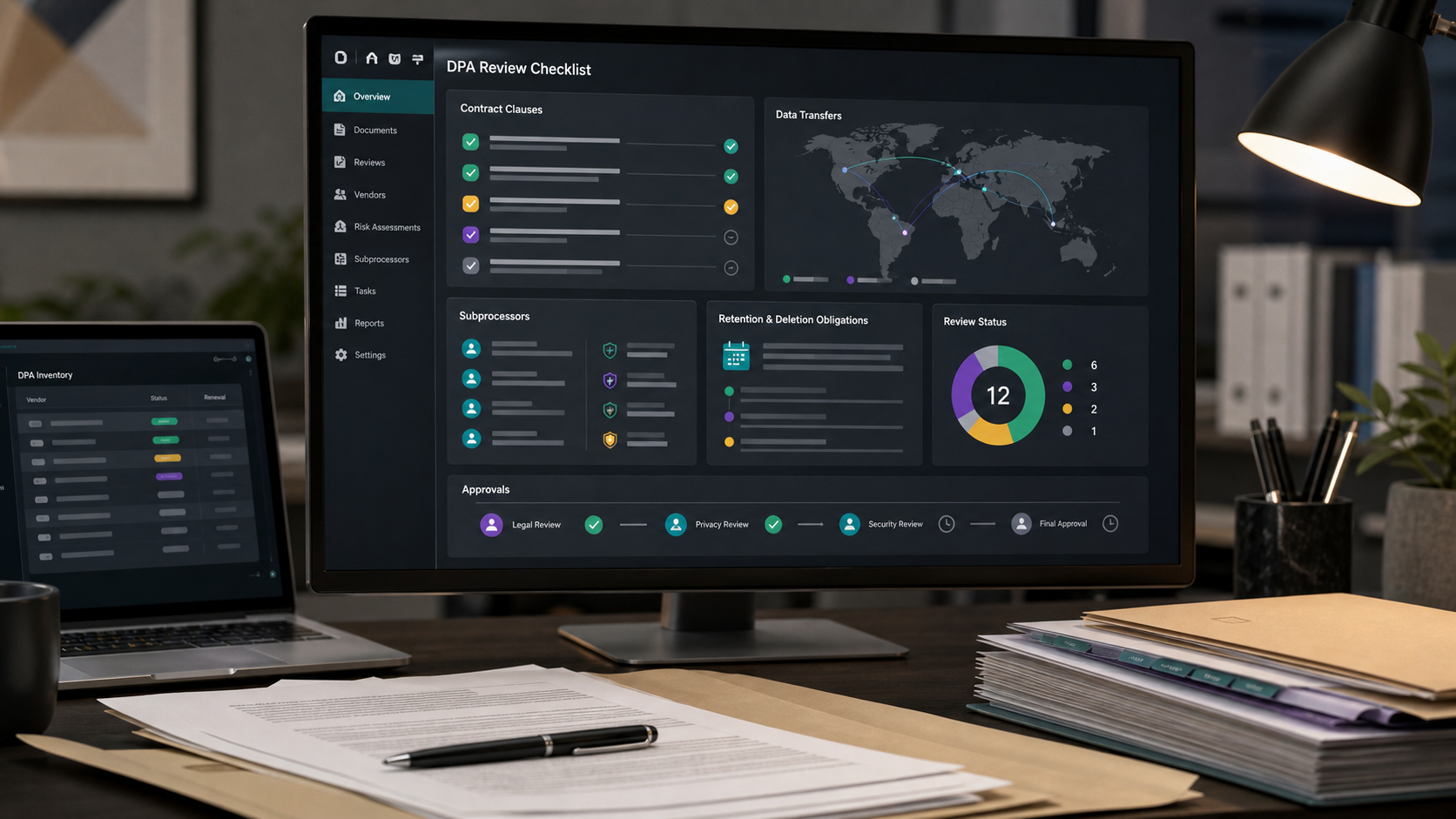
- Review subprocessors, data location, retention, deletion, and incident notice terms.
- Check SSO, MFA, audit logs, admin roles, exports, and offboarding controls.
- Schedule renewal reviews for critical vendors.
RISKS AND TRADEOFFS
The main risk is treating every vendor the same. Low-risk tools should not block work, but high-risk systems need more evidence.
The tradeoff is procurement speed. A clear tiering model keeps reviews proportionate.
BOTTOM LINE
Vendor security review is about matching risk to access. Ask harder questions when the vendor touches critical data or systems.