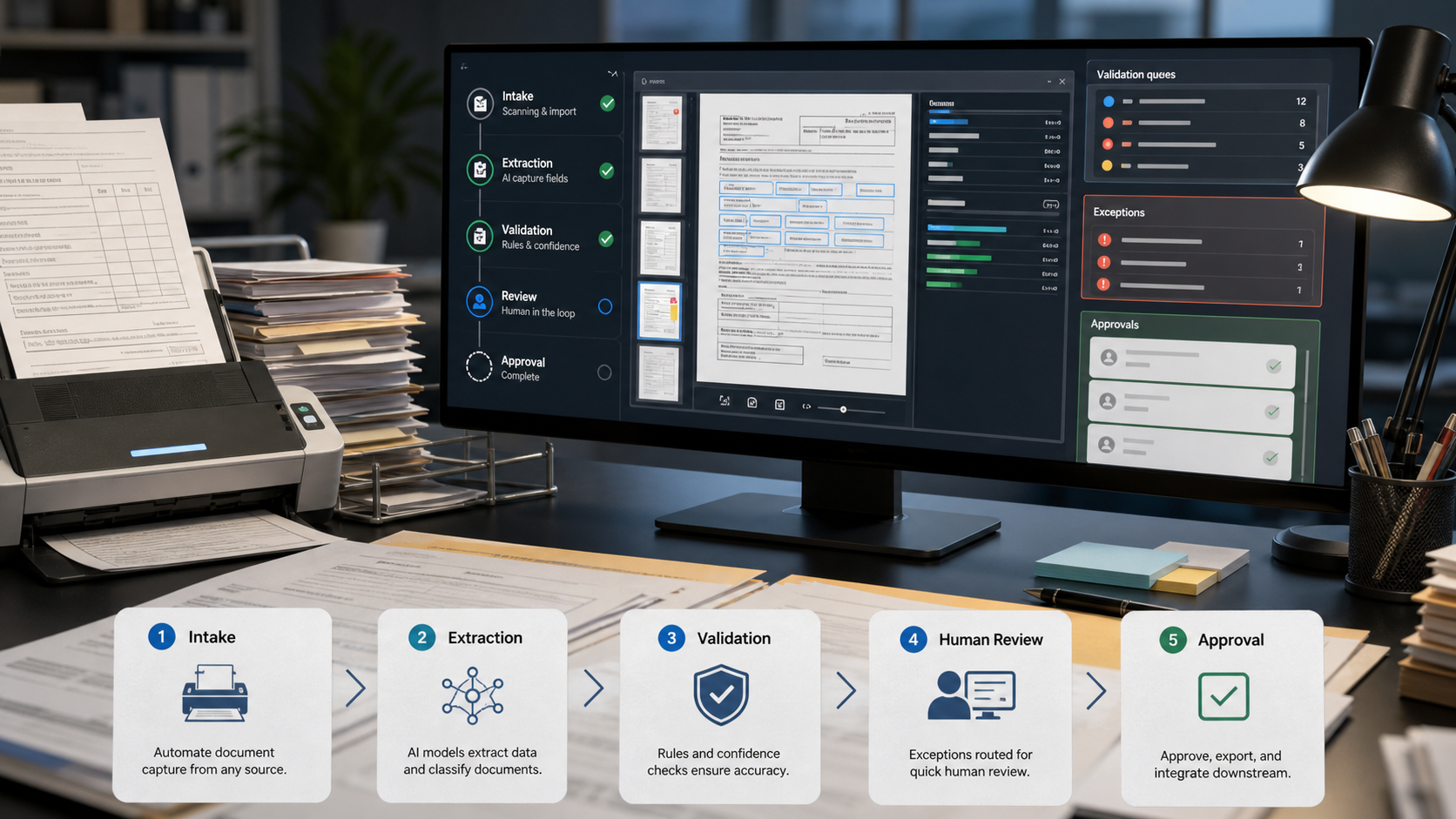
Operations teams often collect automation ideas faster than they can build them. A prioritization method helps decide which workflows deserve attention now and which need process cleanup first.
The strongest candidates are repetitive, rule-based, measurable, and connected to clean data sources.
WHY IT MATTERS
A clear backlog prevents automation from becoming a collection of one-off shortcuts. It also helps teams focus on workflows that reduce errors, delays, or customer friction.
Prioritization is especially important when no-code tools make it easy to build automations that nobody maintains later.
IMPLEMENTATION CHECKLIST
Score automation ideas before building them.
- Estimate task volume, time cost, error rate, and business impact.
- Check whether rules, owners, inputs, and exceptions are documented.
- Review data quality and system permissions before implementation.
- Estimate maintenance, monitoring, and failure-handling effort.
- Start with a low-risk workflow that proves the operating model.
RISKS AND TRADEOFFS
The main risk is automating a broken process. Automation can make bad handoffs happen faster.
The tradeoff is momentum. Simple wins matter, but the team should avoid building workflows that create hidden support debt.
BOTTOM LINE
Prioritize automations that are valuable, stable, observable, and maintainable. Clean the process before automating the mess.